

In recent years, Nigeria has experienced a surge in demand for accessible and convenient loan options due to the challenges many individuals and businesses face in securing traditional bank loans.
These challenges include lengthy application processes, high collateral requirements, and limited access to banking services, especially in rural areas.
To address these gaps, fintech companies have developed innovative loan apps that enable users to obtain quick loans directly from their mobile devices. These apps offer financial inclusion, speed, and flexibility, making them essential tools for Nigerians navigating personal and business financial needs.
In this article, we highlight the top 10 best loan app in Nigeria, ranked based on reliability, user experience, interest rates, repayment flexibility, and customer feedback. By understanding these platforms, users can make informed decisions to meet their financial goals while avoiding potential pitfalls.
The Rise of Digital Lending in Nigeria

Digital lending has revolutionized financial services in Nigeria by providing access to credit for underserved and unbanked populations. With over 180 million mobile subscribers in the country and increasing smartphone penetration, the adoption of loan apps has grown significantly.
According to a 2022 report by Enhancing Financial Innovation & Access (EFInA), approximately 35% of Nigerian adults remain financially excluded, but digital lending platforms are bridging this gap.
Loan apps offer numerous advantages, including:
- Accessibility: Users can access loans from anywhere, eliminating the need to visit physical bank branches.
- Speed: Applications are processed within minutes, with funds disbursed almost instantly in many cases.
- Reduced Bureaucracy: Unlike traditional loans, most apps do not require collateral or extensive documentation.
- Financial Inclusion: These platforms reach rural and underserved communities where traditional banking infrastructure is lacking.
This growth aligns with Nigeria’s push towards financial inclusion and reflects a global trend of embracing technology to improve access to financial services.
As smartphone usage continues to rise and fintech companies innovate further, the scope for digital lending in Nigeria is bound to expand.
These platforms are not only transforming access to credit but also contributing significantly to economic development by empowering individuals and businesses to achieve their financial objectives.
Top Loan Apps in Nigeria
Below is a detailed review of the best loan apps in Nigeria, their features, and why they stand out.
1. Carbon (Formerly Paylater)
Carbon is one of Nigeria’s leading loan apps, offering a seamless and user-friendly experience. It provides:
- Loan Amounts: Up to ₦500,000 depending on the user’s credit score.
- Interest Rates: Ranges from 5% to 15.6%, depending on loan duration.
- Repayment Terms: Flexible periods of 1 to 12 months.
- Additional Features: Users can pay bills, buy airtime, and invest with competitive returns.
Unique Selling Point: Carbon provides free credit reports, helping users monitor and improve their creditworthiness. Its versatility and transparency make it a trusted option for many Nigerians.
2. Branch
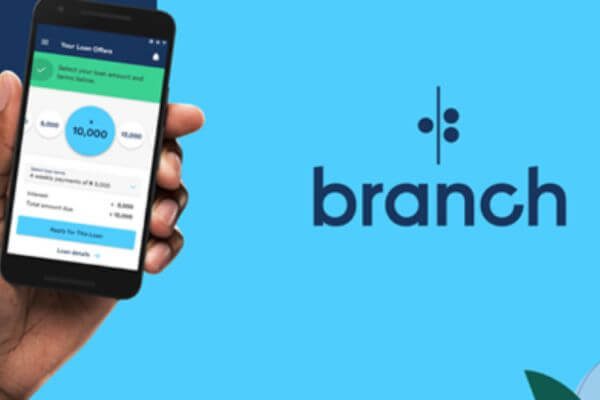
Branch is a popular choice due to its simplicity and focus on quick approvals. Key features include:
- Loan Amounts: Between ₦1,000 and ₦200,000.
- Repayment Terms: Ranges from 4 to 40 weeks.
- Interest Rates: Between 15% and 34%, depending on the loan size and repayment period.
Unique Selling Point: No collateral or guarantor is required, and the app integrates smoothly with mobile wallets. Its advanced algorithms ensure fair and efficient loan approvals, making it accessible to a broad audience.
3. FairMoney
FairMoney is an all-in-one financial platform offering loans and other services like utility bill payments and airtime purchases.
- Loan Amounts: Up to ₥1,000,000.
- Repayment Terms: 2 to 12 weeks.
- Interest Rates: 10% to 30%.
Unique Selling Point: The app approves loans in less than 5 minutes, making it one of the fastest platforms available. It is ideal for emergencies and offers flexibility in repayment options, catering to diverse financial needs.
4. PalmPay
PalmPay is more than a loan app; it’s an ecosystem for financial services, including payments and rewards.
- Loan Amounts: Up to ₦200,000.
- Interest Rates: Competitive rates with transparency.
- Additional Features: Cashback rewards on transactions and discounts for users.
Unique Selling Point: Rewards and promotions make it an attractive option for users who want more value. PalmPay’s extensive features go beyond loans, providing a holistic financial solution for users.
5. Renmoney
Renmoney is a licensed financial institution offering larger loan amounts compared to other apps.
- Loan Amounts: Up to ₦4,000,000.
- Repayment Terms: Flexible plans ranging from 3 to 24 months.
- Interest Rates: Starts at 2.65% monthly.
Unique Selling Point: Renmoney’s asset financing and educational loans cater to diverse financial needs. Its credibility as a licensed institution further reassures users of its reliability and professionalism.
6. QuickCheck
QuickCheck uses artificial intelligence to personalise loan offers and ensure responsible lending.
- Loan Amounts: Between ₦1,500 and ₥500,000.
- Repayment Terms: 30 days to 6 months.
- Interest Rates: Starts from 2% monthly.
Unique Selling Point: The app focuses on helping users build their credit history and improve financial literacy. By using AI-driven insights, it provides tailored solutions to meet specific user needs.
7. Aella Credit
Aella Credit is tailored for salaried employees and small business owners.
- Loan Amounts: Up to ₥1,000,000.
- Repayment Terms: Flexible, ranging from 1 to 3 months.
- Interest Rates: Between 4% and 30%.
Unique Selling Point: Data-driven decision-making ensures fair and fast approvals. Its focus on user-centric features makes it a reliable option for employees seeking hassle-free loans.
8. Okash
Operated by Opay, Okash is seamlessly integrated into its mobile ecosystem.
- Loan Amounts: Up to ₥100,000.
- Repayment Terms: 91 to 365 days.
- Interest Rates: Between 9% and 24%.
Unique Selling Point: Users benefit from Opay’s extensive digital services. Okash stands out for its user-friendly interface and convenience for existing Opay users.
9. Migo (Formerly Kwikmoney)
Migo stands out for its accessibility, as it doesn’t require a mobile app.
- Loan Amounts: Between ₦5,000 and ₦500,000.
- Repayment Terms: Flexible repayment periods.
- Interest Rates: From 5% to 25%.
Unique Selling Point: Users can access loans via USSD codes and partner banks, making it ideal for those without smartphones or stable internet. This inclusivity ensures financial services reach a broader demographic.
10. Lidya
Lidya focuses on empowering small and medium-sized enterprises (SMEs) through tailored loans.
- Loan Amounts: Up to ₦150,000,000.
- Repayment Terms: Negotiable, based on business needs.
- Interest Rates: Competitive rates for SMEs.
Unique Selling Point: A strong focus on business financing, offering substantial amounts and flexible terms. Lidya is a vital tool for entrepreneurs looking to scale their businesses.
Factors to Consider When Choosing a Loan App

Selecting the right loan app depends on individual needs and preferences. Key factors to consider include:
- Interest Rates: Always review the rates and ensure they are competitive and transparent.
- Repayment Flexibility: Look for apps that offer extended repayment periods or grace periods to ease financial pressure.
- Customer Support: A reliable support system is essential for addressing queries and complaints.
- Security: Ensure the app prioritises data privacy and uses encryption to protect personal information.
- Loan Limits: Choose an app that aligns with your financial requirements, whether for small or large loans.
By thoroughly assessing these factors, users can avoid potential challenges and select the most suitable app for their needs.
Pros and Cons of Using Loan Apps
While loan apps offer numerous advantages, they also come with certain drawbacks. Below is a balanced assessment:
Pros:
- Speed: Loan approval and disbursement take minutes.
- Convenience: Users can apply from anywhere, at any time.
- No Collateral: Most apps do not require collateral, making them accessible to a wider audience.
- Financial Inclusion: They cater to unbanked and underserved populations.
Cons:
- High Interest Rates: Many apps charge higher rates compared to traditional banks.
- Over-borrowing Risk: Easy access may lead to debt accumulation.
- Data Privacy Concerns: Users must ensure the app’s security measures are robust.
Understanding these pros and cons can help users make informed decisions and leverage the benefits of loan apps effectively while minimising risks.
FAQs To Best loan app in Nigeria
What factors should I consider before choosing a loan app in Nigeria?
When selecting a loan app, consider the following:
- Interest rates and transparency of fees.
- Repayment flexibility, including terms and grace periods.
- Loan amount limits that align with your needs.
- Data security and privacy policies to ensure your information is protected.
- Availability of customer support to address potential issues promptly.
Are loan apps safe to use for borrowing money in Nigeria?
Most reputable loan apps in Nigeria, such as Carbon, Branch, and FairMoney, implement robust security measures, including encryption, to protect user data.
However, it’s essential to download apps only from trusted sources like the Google Play Store or Apple App Store and read reviews before sharing sensitive information.
Can I apply for a loan on these apps without collateral?
Yes, many loan apps in Nigeria, including Branch, FairMoney, and Okash, do not require collateral for loan approvals.
Instead, they assess creditworthiness through alternative data sources, such as transaction history and mobile usage patterns, to determine eligibility.
Conclusion
In Nigeria, loan app have evolved into essential instruments for both financial inclusion promotion and meeting immediate needs. To prevent financial traps, borrowers should be careful, nevertheless, by contrasting interest rates, loan terms, and security features.
The evolving digital lending scene has great ability to change Nigeria’s financial scene. Users may maximise their benefits and remain financially safe by encouraging good borrowing practices and using the convenience of these platforms.
Furthermore, fintech developments would probably improve the features and availability of these loan applications, therefore improving the financial services’ inclusiveness and efficiency for Nigerians from all backgrounds and income levels.