
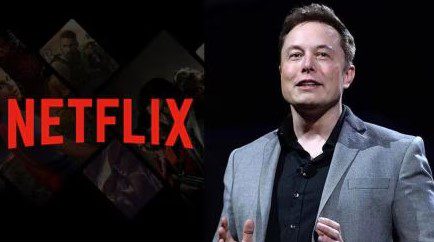

Elon Musk has once again stirred up the internet, this time targeting Netfix. In a recent statement, the billionaire entrepreneur encouraged his followers to boycott the popular streaming service. This call quickly set social media on fire, with debates erupting across X, Facebook, and Reddit. Musk’s influence in tech and culture is clear; when he speaks, millions pay attention. His target this time is Netfix, a company that has become one of the most recognized entertainment platforms in the world.
Boycott of Netfix
The reaction was swift. Within hours of his statement, hashtags related to the boycott started trending globally. Supporters of Musk praised his courage, saying he was standing up against what they see as declining standards in entertainment. Others dismissed the call, questioning whether Musk was simply trying to spark controversy with his massive online presence. Regardless of personal opinions, his words have again put Netfix in the spotlight, drawing attention from audiences and investors alike.
For years, Netfix has been the premier streaming service for millions of households. From blockbuster original movies to binge-worthy TV series, the platform has changed how people consume content. Its global reach and reputation as a leader in streaming make it hard to challenge. Yet Musk’s intervention raises a crucial question: can even a giant like Netfix handle the full weight of his influence? The answer may depend on how both the company and its loyal subscribers respond to this wave of criticism.
Also Read: 10 Takeaways From the Mr Eazi Wedding That Everyone Is Talking About
Elon Musk is familiar with challenging established institutions. He has a history of using his platform to call out companies, governments, and regulators when he thinks they are letting the public down. His track record indicates that when Musk speaks, markets shift and public conversations change overnight. Netfix now finds itself facing the same scrutiny as past companies caught in his critiques. What makes this situation particularly intriguing is that Netfix is not just a tech company; it is also a cultural force shaping entertainment worldwide.
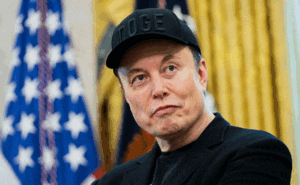
The deeper issue of Musk’s call is not merely whether people will cancel their subscriptions. It’s about how much impact one person can have on cultural consumption. Netfix relies on public perception and user engagement. If enough people feel swayed by Musk’s comments, it could create a ripple effect that affects its financial performance and cultural position. On the other hand, if subscribers remain loyal, Netfix could weather the storm and use the controversy for more publicity.
Another layer to this debate is the broader discussion on free speech and creative direction. Musk’s criticism reflects a growing frustration among audiences who think that platforms like Netfix prioritize agendas over entertainment. Meanwhile, others argue that creative freedom means allowing a variety of perspectives, even if some viewers disagree. In this tug of war, Netfix finds itself at the heart of a cultural conversation larger than any single show or movie.
It’s important to note that Netfix has weathered many challenges before. From rising competition with Disney+ and Prime Video to controversies over its original content, the platform has shown resilience. However, Elon Musk’s voice carries a different kind of weight. His reputation as an innovator, paired with his vast following, makes his opinions hard to ignore. For Netfix, the challenge will be balancing its commitment to creativity with the need to maintain a positive brand image during public scrutiny.
As the story develops, the world will be watching closely. Will subscribers join Musk in boycotting Netfix, or will they keep streaming their favorite shows without hesitation? Will the platform respond to the criticisms directly, or will it remain silent and wait for the storm to pass? These are the questions dominating headlines as Musk shakes up global conversations once again.