
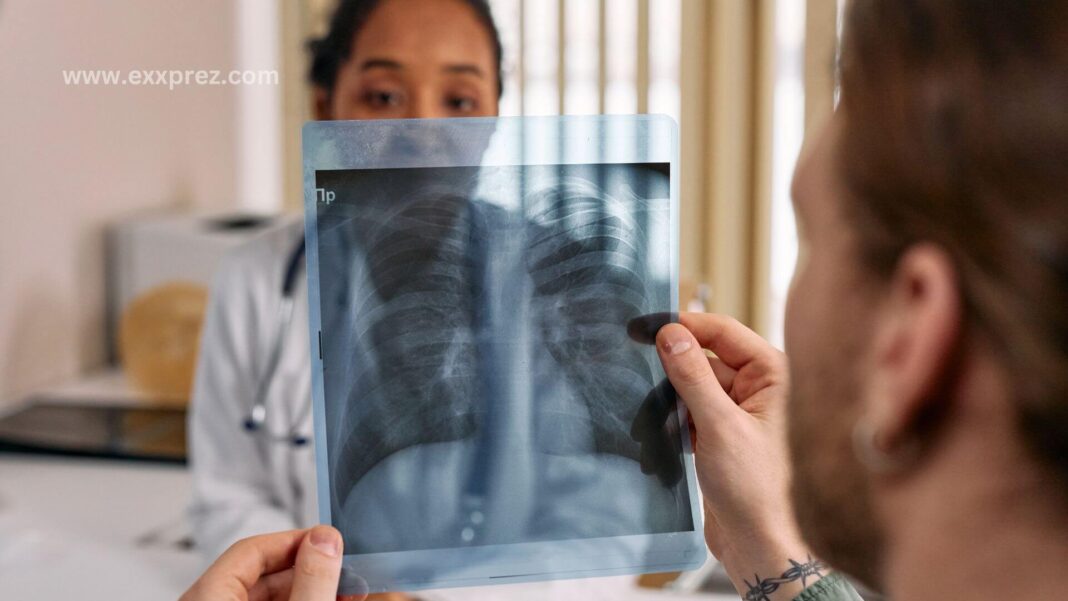

X-rays, an invaluable diagnostic tool in modern medicine, provide crucial insights into our health.
However, how much do X rays cost With insurance can vary significantly based on numerous factors, including insurance coverage, the body part being examined, and the healthcare provider.
In this comprehensive guide, we’ll delve into the realm of X-ray costs, both with and without insurance, shedding light on the expenses associated with various types of X-rays.
How Much Do X Rays Cost With Insurance
The cost of X-rays with insurance can vary significantly depending on several factors, including the type of insurance coverage, the specific X-ray procedure, deductibles, copayments, coinsurance, and whether the provider is in-network or out-of-network.
Generally, when you have insurance coverage for X-rays, you’ll likely have to pay a portion of the cost out-of-pocket, which can include copayments or coinsurance. These expenses vary based on the terms of your insurance policy.
For instance, a basic X-ray covered by insurance might require you to pay a copayment ranging from $20 to $50, while more advanced or specialized imaging procedures could lead to higher out-of-pocket expenses.
Deductibles also play a crucial role—if you haven’t met your deductible for the year, you might be responsible for the full cost of the X-ray until you reach that threshold.
Moreover, utilizing in-network providers usually results in lower costs as these providers have negotiated rates with the insurance company. Out-of-network providers might lead to higher out-of-pocket expenses due to the lack of negotiated rates.
To obtain accurate cost estimates for X-rays with insurance, it’s recommended to review your insurance plan details, including the summary of benefits, coverage limitations, and the provider network.
Contacting both your insurance company and the healthcare provider beforehand can help you understand the potential expenses and avoid unexpected costs related to X-ray procedures.
How much are x rays Without Insurance
When considering X-rays without insurance coverage, the expenses can present a significant financial burden.
The cost of X-rays without insurance differs depending on the specific type of X-ray and the healthcare provider.
For instance, general X-rays may range from $100 to $1,000 or more, depending on the complexity and the facility’s pricing structure. Procedures like chest X-rays or foot X-rays fall within this spectrum, with costs that can vary widely.
How Much do x Rays Cost at Urgent
Urgent care centers often provide X-ray services for emergency cases. The cost of X-rays at these facilities can also fluctuate based on the urgency, the location of the clinic, and the particular body part being examined.
Typically, urgent care X-ray costs might range from $50 to $300, offering a more affordable alternative compared to hospital-based services.
How Much do Chest x Rays Cost with Insurance
For individuals covered by health insurance, the expenses associated with X-rays can be significantly mitigated.
Insurance plans usually cover a portion of the X-ray costs after deductibles, copayments, or coinsurance. The specifics of coverage can vary widely based on the insurance provider and the plan chosen.
Chest X-rays, hand X-rays, or foot X-rays might be covered differently under various insurance policies, with some requiring prior authorization.
How Much Does a foot x ray Cost Without Insurance
When it comes to chest X-rays covered by insurance, the out-of-pocket expenses for individuals can vary.
Typically, if the procedure is deemed medically necessary and falls within the coverage guidelines of the insurance plan, patients might expect to pay a copayment or coinsurance.
These costs could range from $20 to $50 or more, depending on the insurance policy terms and the specific healthcare provider.
Analyzing the Cost of Foot X-Rays Without Insurance:
Foot X-rays, essential for diagnosing fractures or other conditions, can incur varying costs when insurance coverage is not available.
The expenses for a foot X-ray without insurance might range from $100 to $1,000, influenced by the clinic’s pricing structure, geographical location, and the complexity of the imaging required.
How much is a Hand X Ray without insurance
Similar to foot X-rays, hand X-ray costs without insurance coverage depend on multiple factors.
The price for a hand X-ray without insurance might fall within the general range of $100 to $500 or more, contingent on the clinic’s pricing strategy, the complexity of the imaging, and the region’s healthcare costs.
FAQs Related to How Much Do X Rays Cost With Insurance
What factors influence the cost of X-rays without insurance?
- Type of X-ray: Different types of X-rays vary in complexity, which can affect their cost without insurance. For instance, specialized imaging like CT scans or MRIs tends to be more expensive compared to standard X-rays.
- Healthcare provider: Costs may differ among healthcare facilities or radiology centers due to their pricing structures and geographic location. Larger hospitals might generally charge more compared to independent clinics or urgent care centers.
- Geographical location: Healthcare costs can significantly vary based on regional factors, with urban areas often having higher prices compared to rural locations.
How can individuals reduce X-ray expenses without insurance?
- Research and compare prices: Before scheduling an X-ray, individuals can inquire about prices from different providers or facilities to find more affordable options.
- Negotiate payment plans: Some healthcare providers may offer discounted rates or payment plans for individuals without insurance. Engaging in conversations about payment options can help mitigate upfront costs.
- Explore community health centers: Local community health centers or clinics may offer X-ray services at reduced rates or on a sliding fee scale based on income.
What should I know about insurance coverage for X-rays?
- Coverage specifics: Insurance plans vary in the coverage they offer for X-rays. Familiarize yourself with your insurance policy to understand deductibles, copayments, and coinsurance percentages related to X-ray services.
- Prior authorization: Certain insurance plans may require prior authorization or approval before undergoing specific X-ray procedures. It’s advisable to check with your insurer and healthcare provider to avoid unexpected costs.
- Network providers: Using in-network healthcare providers or facilities often results in lower out-of-pocket costs as compared to out-of-network services, as insurance plans negotiate discounted rates with in-network providers.
Conclusion
X-ray costs, whether with or without insurance coverage, fluctuate significantly based on numerous variables.
Understanding the potential expenses associated with various types of X-rays helps individuals make informed decisions regarding their healthcare needs.
While insurance coverage can alleviate a portion of the financial burden, the overall cost of X-rays remains a crucial consideration for many seeking these diagnostic procedures.
In summary, before undergoing an X-ray, individuals should inquire about the estimated costs, discuss insurance coverage with their provider, and explore potential payment plans or financial assistance options available to them.

