

Uche Peter
The recent escalation in conflict between Israel and Iran has triggered a wave of uncertainty across global energy markets, causing the oil price to surge unexpectedly. With both countries playing key roles in the geopolitical landscape of the Middle East — a vital region for global oil production and export — the crisis has set off alarm bells, especially in developing nations like Nigeria.
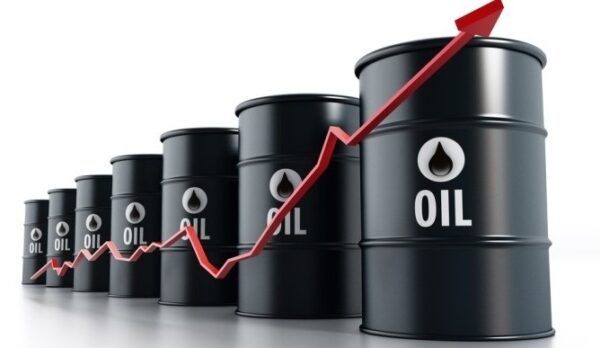
Oil Price Skyrockets as Israel-Iran War Escalates
As of June 13, 2025, Brent crude — the global oil benchmark — soared nearly 9%, reaching around $75.55 per barrel, the highest since January. Analysts attribute this spike to Israeli strikes on Iranian nuclear sites, raising fears of broader conflict that could disrupt oil supplies from the region. Some experts are even predicting that the oil price could cross $90 or even hit $120 per barrel if tensions escalate further.
While these developments might seem far removed from everyday life in Nigeria, the implications are direct and serious. Nigeria imports the majority of its refined petroleum products despite being a top oil-producing country. With fuel subsidy removal fully implemented in 2023, local petrol prices are now tied to the international oil price. That means any increase in the global oil price quickly translates into higher pump prices at home.
Already, petrol prices have begun rising in cities like Lagos, Abuja, and Port Harcourt. In some places, filling stations now sell petrol for ₦850–₦950 per litre — up from an average of ₦650 just a few weeks ago. For many Nigerians, this is yet another blow in an economy already weighed down by inflation, currency devaluation, and stagnant wages.
“The way this oil price matter dey go, e fit reach ₦1,000 per litre,” lamented Musa, a tricycle driver in Kano. “How person go survive when transport, food, and everything dey cost?”
Also Read: Israel Strikes Iran in Explosive Military Operation: Middle East on Edge
Nigeria’s 2025 federal budget is based on a benchmark oil price of $75 per barrel, meaning any increase could boost government revenue. However, the benefit may be short-lived if the cost of importing refined fuel continues to rise. Moreover, the repayment of loans — such as the $5 billion Aramco-backed facility — may also become more burdensome if the oil price becomes too volatile.
Many experts warn that if the conflict deepens or spreads to other oil-producing regions, global supply chains could face major disruptions. This would push the oil price even higher, putting additional pressure on oil-importing nations like Nigeria. A Lagos-based economist explained, “Nigeria is too vulnerable to global oil price swings. Without domestic refining at scale, we’ll always be at the mercy of foreign crises.”
The Dangote Refinery has offered some hope for local refining and reduced dependence on imports, but it hasn’t yet fully met national demand. Until then, Nigerians will continue to feel the heat from every oil price jump on the world market.
On a broader scale, this situation highlights the urgent need for Nigeria to invest in energy independence. Strategic fuel reserves, improved refining capacity, and better regulation could help cushion future shocks. But as it stands, global conflict thousands of miles away is once again threatening the wallets of everyday Nigerians.
The government has assured citizens that it is monitoring the situation and considering intervention, but the reality on the ground speaks louder. People are already adjusting their budgets, transport unions are threatening fare increases, and businesses are preparing for another round of inflation.
The situation remains fluid. A ceasefire or diplomatic solution in the Middle East could ease tensions and stabilize the oil price. On the other hand, further military escalation could send prices skyrocketing.
For now, one thing is clear: Nigeria must watch the oil price as closely as it watches the news. The war may be far away, but the consequences are close to home — at every filling station, market, and household across the country.