
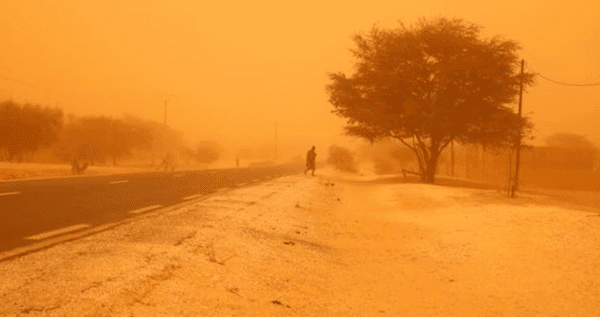

Harmattan is here again, and the season brings its usual mix of dry air, dusty winds, and sudden temperature changes. Many people fall sick during this period because they underestimate how strongly it affects the body. To stay healthy, you need habits that protect your skin, lungs, immunity, and hydration levels. Paying attention to the signs and preparing early can save you from infections, fatigue, and unnecessary discomfort. Understanding harmattan is the first step toward staying safe, strong, and productive throughout the season.
Powerful Harmattan Guide
The air during harmattan is extremely dry, which means your body loses moisture faster than normal. This makes dehydration very common, even when you don’t feel thirsty. When the body lacks enough water, you can experience headaches, dizziness, cracked lips, and low energy. This is why drinking water consistently is non-negotiable at this time of the year. If you want to stay ahead of harmattan illnesses, start by increasing your fluid intake before symptoms even appear.
Another major health challenge during harmattan is respiratory infection. The dusty atmosphere irritates the nose and throat, making conditions like catarrh, cough, and sneezing more frequent. Even people without allergies often react strongly to the particles in the air. To protect your lungs, use a nose mask when going outside, especially in dusty areas or on windy mornings. Masks help filter out the dust and reduce the risk of breathing in harmful particles that circulate heavily during harmattan.

Your skin also needs special attention throughout harmattan. The dryness can lead to cracked heels, rough patches, and an uncomfortable tightening feeling after bathing. Moisturizing immediately after your bath is the most effective way to lock in hydration. Oily creams, Shea butter, and coconut oil work best because they create a protective barrier that fights the harsh effect of harmattan air on the skin. People with naturally dry skin should moisturize more than once a day to stay comfortable.
One overlooked habit that helps during harmattan is maintaining good indoor air quality. Because many people close their windows to block out the dust, their homes can become stuffy and uncomfortable. A simple solution is to open your windows for a short period during the day to allow fresh air inside and reduce trapped heat. Keeping a clean environment also matters because dust settles quickly during harmattan. Regular sweeping, mopping, and wiping surfaces can prevent respiratory reactions.

Also Read: How to Burn Fat Without Feeling Hungry or Deprived
Your overall immunity plays a big role during harmattan. The season weakens many people’s resistance to sickness, making colds and flu extremely common. To stay strong, focus on eating fruits rich in vitamins, especially oranges, pineapples, and tangerines. These help your body fight infections and recover faster. Balanced meals with vegetables, whole grains, and healthy protein sources also provide the strength your body needs to handle the stress of harmattan.
Another important habit is taking warm baths instead of cold ones. The temperature drops sharply in the morning and evening during harmattan, and using cold water can weaken your immunity. Warm baths help regulate your body temperature and prevent sudden chills. Dressing properly is equally important. Light layers work well, especially in the early morning and late night when the dry breeze is strongest.
Exercise remains important during harmattan, but timing matters. Early morning workouts outside may expose you to too much dust. If possible, exercise indoors or wait until later in the day when the air is clearer. Protecting your chest and throat with a scarf while outside can also reduce irritation from the harsh harmattan wind.
Finally, pay attention to your body. The season makes people feel tired quickly, so rest becomes essential. It affects sleep quality for some individuals, so creating a calm sleeping environment makes a big difference. Use a humidifier if the air inside your room feels too dry, or place a bowl of water near your bed to add moisture to the air naturally. Listening to your body and acting early can prevent minor symptoms from turning into bigger health problems.
Harmattan may come with challenges, but with the right habits, you can stay healthy, energetic, and illness-free throughout the season. By staying hydrated, protecting your lungs, caring for your skin, boosting your immunity, and maintaining a clean environment, you give yourself the best chance to thrive. Harmattan doesn’t have to make you sick—preparation and consistency are all you need to stay safe.

