

Edet Ikotidem
There are four warning signs of melanoma that are easy for you to miss
Melanoma is a serious form of skin cancer that arises from the pigment-producing cells known as melanocytes. Although it accounts for a small percentage of skin cancer cases, it causes the majority of skin cancer deaths due to its ability to spread to other parts of the body. Early detection is critical for effective treatment, but melanoma can be tricky to spot, especially when the warning signs are subtle. Here are four warning signs of melanoma that are easy to miss, along with an in-depth discussion on each.
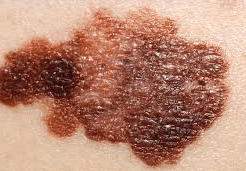
warning signs of melanoma
1. Changes in Existing Moles
One of the most common indicators of melanoma is a change in the appearance of an existing mole. However, these changes can be subtle and easily overlooked.
Asymmetry
Normal moles are typically symmetrical. If you draw a line through the middle, both halves should look the same. Melanomas, on the other hand, are often asymmetrical. If one half of a mole does not match the other, it’s a warning sign.
Border
The borders of an early melanoma tend to be uneven. The edges may be scalloped or notched, unlike the smooth borders of benign moles.
Color
Benign moles usually have a single shade of brown. Melanomas may have different shades of brown, tan, or black. As they grow, the colors red, white, or blue may also appear.
Diameter
While melanomas are usually larger than 6 millimeters (about the size of a pencil eraser) when diagnosed, they can be smaller when first detected. Any increase in size is a warning sign.
Evolving
Any change in size, shape, color, elevation, or another trait, or any new symptom such as bleeding, itching, or crusting, points to danger.
Changes in an existing mole can be subtle, making them easy to miss. Regular self-examinations and photographic documentation can help detect these changes early.
2. New Unusual Growths
Melanoma can also present as a new growth on the skin that doesn’t resemble any other mole or spot you’ve had before. These new growths can be particularly deceptive and easy to overlook, especially if they appear in less noticeable areas.
Spots that Stand Out
A new growth that looks different from other spots on your skin is a red flag. This phenomenon is known as the “ugly duckling” sign. If a new mole or spot stands out as different from others, it should be examined by a dermatologist.
Nodular Melanoma
Nodular melanoma is a particularly aggressive form that grows more rapidly in height than in width. It can appear as a dark bump but can also be colorless. Because it doesn’t necessarily follow the typical ABCDE criteria, it can be missed if you’re not looking for it specifically.
Amelanotic Melanoma
This type of melanoma lacks pigment, making it look pink, red, or skin-colored. Its appearance can be similar to non-cancerous skin lesions, leading to misdiagnosis or delayed detection. Any new, unusual, or changing growth warrants professional evaluation.
3. Changes in Sensation or Surface Texture
Melanoma might not always present visually noticeable changes. Sometimes, it’s the sensations or textural changes in the skin that can be indicative of a problem.
Itching
Persistent itching in a mole or spot that didn’t previously itch can be a sign of melanoma. This symptom is often dismissed or attributed to dry skin, but it’s important to monitor.
Tenderness or Pain
A mole or skin lesion that becomes tender or painful should raise concern. Pain is not a common feature of benign moles, so this change is particularly noteworthy.
Changes in Texture
Melanomas can alter the surface texture of the skin. A mole that becomes scaly, crusty, or starts to ooze or bleed is a significant warning sign. These changes might be subtle at first and mistaken for skin irritation or minor injury.
4. Melanomas in Hidden Areas
Melanomas can develop in areas that are not typically exposed to the sun and are often missed during routine self-examinations. These hidden melanomas can be especially dangerous because they may not be detected until they have progressed.
Also read: See What Happens to Your Brain as You Age
Under the Nails
Subungual melanoma occurs under the fingernails or toenails and can look like a dark streak or spot. It’s often mistaken for a bruise or injury. If you notice a persistent dark streak that doesn’t grow out with the nail or if the nail bed becomes damaged, seek medical advice.
On the Soles of the Feet or Palms of the Hands
Acral lentiginous melanoma is a type that appears on the palms, soles, or under the nails. It’s more common in people with darker skin and can easily be mistaken for a benign lesion or ignored due to its location.
Mucous Membranes
Mucosal melanoma develops in the mucous membranes of the body, including the mouth, nasal passages, vagina, and anus. These melanomas can be particularly hard to detect early because they occur in less visible areas. Symptoms might include unexplained sores, bleeding, or pain in these areas.
Conclusion
Early detection of melanoma significantly improves the prognosis, making it vital to be vigilant about the warning signs, even the subtle ones. Regular self-examinations, awareness of changes in existing moles, noticing new unusual growths, paying attention to changes in sensation or surface texture, and examining hidden areas of the body are all crucial steps in catching melanoma early.
If you notice any suspicious changes or growths, consult a dermatologist promptly. Annual skin checks by a professional are also recommended, especially for individuals at higher risk due to factors like fair skin, a history of sunburns, or a family history of melanoma. By staying informed and attentive to the signs of melanoma, you can take proactive steps to protect your skin health.