

Edet Ikotidem
Foods you can eat without gaining weight can be challenging, especially in a world where high-calorie, low-nutrient options are so readily available.
However, there are many foods that can be consumed without significantly impacting weight gain due to their low calorie density and high nutrient content. Here, we’ll explore various categories of such foods, including vegetables, fruits, lean proteins, whole grains, and others that are beneficial for weight management.
Vegetables
Leafy Greens
Leafy greens like spinach, kale, lettuce, and Swiss chard are incredibly low in calories but high in fiber and essential nutrients. They provide a feeling of fullness, which helps control appetite and reduce overall calorie intake. For instance, one cup of raw spinach contains only about 7 calories but is rich in vitamins A, C, and K, as well as iron and calcium.
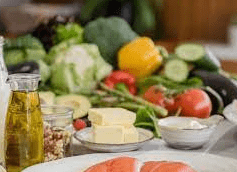
Foods you can eat without gaining weight
Cruciferous Vegetables
Cruciferous vegetables such as broccoli, cauliflower, Brussels sprouts, and cabbage are also excellent choices. They are low in calories and high in fiber and protein compared to other vegetables. These vegetables contain sulforaphane, a compound that has been shown to have cancer-fighting properties. A cup of cooked broccoli, for instance, contains about 55 calories and provides a significant amount of vitamin C and K, as well as folate.
Other Non-Starchy Vegetables
Other non-starchy vegetables include bell peppers, cucumbers, zucchini, and mushrooms. These vegetables are very low in calories and can be eaten in large quantities. For example, a cup of sliced cucumbers contains only about 16 calories and is refreshing and hydrating due to its high water content.
Fruits
Berries
Berries like strawberries, blueberries, raspberries, and blackberries are nutrient-dense and low in calories. They are packed with antioxidants, vitamins, and fiber. A cup of strawberries, for example, has about 50 calories but provides over 100% of the recommended daily intake of vitamin C.
Apples and Pears
Apples and pears are both low in calories and high in fiber, making them excellent choices for weight management. Eating these fruits with the skin on increases their fiber content, which aids in digestion and provides a longer-lasting feeling of fullness. A medium-sized apple contains approximately 95 calories and offers a good dose of vitamin C and potassium.
Citrus Fruits
Citrus fruits such as oranges, grapefruits, lemons, and limes are low in calories and high in vitamin C and fiber. These fruits are particularly beneficial for weight management due to their high water content, which helps to keep you hydrated and full. A medium orange has about 62 calories and provides more than 100% of the daily recommended intake of vitamin C.
Lean Proteins
Skinless Chicken Breast
Skinless chicken breast is a lean source of protein that is low in calories but high in essential nutrients. Protein is crucial for maintaining muscle mass, especially when trying to lose weight. A 3-ounce serving of skinless chicken breast contains approximately 140 calories and 26 grams of protein.
Fish and Seafood
Fish such as salmon, tuna, and cod, as well as shellfish like shrimp and crab, are excellent sources of lean protein and omega-3 fatty acids, which are beneficial for heart health. Fish is also lower in calories compared to red meat. A 3-ounce serving of salmon has about 121 calories and provides 17 grams of protein along with a healthy dose of omega-3s.
Eggs
Eggs are another great source of high-quality protein and essential nutrients like vitamin B12, vitamin D, and choline. They are relatively low in calories and can help keep you full for longer periods. One large egg contains about 72 calories and 6 grams of protein.
Whole Grains
Quinoa
Quinoa is a whole grain that is high in protein and fiber while being relatively low in calories. It is also a complete protein, meaning it contains all nine essential amino acids. One cup of cooked quinoa has approximately 222 calories, 8 grams of protein, and 5 grams of fiber, making it a highly nutritious and filling food.
Oats
Oats are another excellent whole grain that can be included in a weight management diet. They are high in soluble fiber, which can help reduce cholesterol levels and promote a feeling of fullness. A half-cup of dry oats contains about 150 calories, 5 grams of protein, and 4 grams of fiber.
Brown Rice
Brown rice is a whole grain that provides more fiber and nutrients than white rice. It is relatively low in calories and can be a good base for many meals. One cup of cooked brown rice has around 218 calories, 5 grams of protein, and 3.5 grams of fiber.
Legumes and Beans
Lentils
Lentils are a type of legume that are high in protein and fiber but low in calories. They are also rich in iron and folate. One cup of cooked lentils has about 230 calories, 18 grams of protein, and 16 grams of fiber, making them a very filling and nutritious option.
Black Beans
Black beans are another legume that can help with weight management. They are high in protein, fiber, and various vitamins and minerals. One cup of cooked black beans contains approximately 227 calories, 15 grams of protein, and 15 grams of fiber.
Chickpeas
Chickpeas, also known as garbanzo beans, are rich in protein and fiber. They are versatile and can be used in a variety of dishes, from salads to stews. One cup of cooked chickpeas has about 269 calories, 14.5 grams of protein, and 12.5 grams of fiber.
Also read: The Hidden Health Benefits of Prunes: Why You Should Eat More
Nuts and Seeds
Almonds
Almonds are a nutrient-dense food that can help with weight management when consumed in moderation. They are high in healthy fats, protein, and fiber. A one-ounce serving of almonds (about 23 almonds) has around 160 calories, 6 grams of protein, and 3.5 grams of fiber.
Chia Seeds
Chia seeds are tiny but packed with nutrients. They are high in omega-3 fatty acids, fiber, and protein. These seeds can absorb many times their weight in water, which helps to create a feeling of fullness. One ounce of chia seeds contains about 137 calories, 4 grams of protein, and 11 grams of fiber.
Flaxseeds
Flaxseeds are another nutrient-dense seed that is high in fiber, omega-3 fatty acids, and lignans, which have antioxidant properties. Ground flaxseeds are easier for the body to digest. One tablespoon of ground flaxseeds has around 37 calories, 1.3 grams of protein, and 2 grams of fiber.
Dairy and Alternatives
Greek Yogurt
Greek yogurt is high in protein and can be a great option for weight management. It is also a good source of calcium and probiotics, which are beneficial for gut health. A 6-ounce serving of non-fat Greek yogurt has about 100 calories and 17 grams of protein.
Cottage Cheese
Cottage cheese is another dairy product that is high in protein and relatively low in calories. It is also rich in calcium and other essential nutrients. A half-cup serving of low-fat cottage cheese contains approximately 90 calories and 12 grams of protein.
Plant-Based Milk
Plant-based milk alternatives like almond milk, soy milk, and coconut milk can be lower in calories than cow’s milk, especially when unsweetened. These can be a good option for those who are lactose intolerant or looking to reduce calorie intake. For example, one cup of unsweetened almond milk has about 30 calories.
Other Low-Calorie, Nutrient-Dense Foods
Soup
Broth-based soups, especially those loaded with vegetables and lean proteins, can be very filling while being low in calories. Starting a meal with a small bowl of soup can help reduce overall calorie intake by promoting a feeling of fullness.
Popcorn
Air-popped popcorn is a whole grain that is low in calories and high in fiber. It can be a great snack for weight management when prepared without added butter or oil. Three cups of air-popped popcorn have about 90 calories and 3.5 grams of fiber.
Herbal Teas
Herbal teas are naturally calorie-free and can be a great way to stay hydrated and curb appetite. Some teas, like green tea, have been shown to boost metabolism slightly.
Incorporating these foods into your diet can help manage weight effectively while ensuring you get essential nutrients. The key is to focus on whole, minimally processed foods that are high in fiber, protein, and other essential nutrients. Combining these foods with regular physical activity and mindful eating practices will contribute to long-term health and weight management.
It’s important to remember that while these foods are less likely to contribute to weight gain, portion control and overall dietary balance are crucial. Eating a variety of these nutrient-dense foods can help you feel satisfied and maintain a healthy weight without feeling deprived.