

Antonio Santos
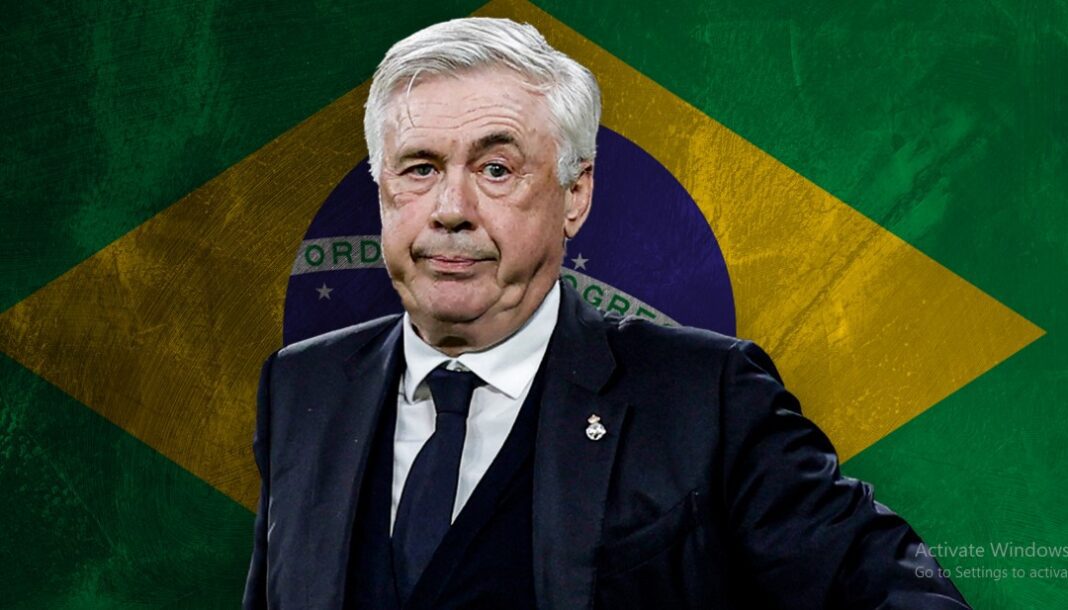
Brazil is a name that echoes greatness in world football. With five World Cup titles, countless legendary players, and a legacy of joga bonito — the beautiful game — Brazil has long been the spiritual home of football. But since lifting the World Cup in 2002, the Seleção has fallen short on the biggest stage, and the nation is hungry for redemption. Now, with the appointment of Carlo Ancelotti as head coach, many are asking: Can he restore Brazil to its former glory?
Ancelotti’s arrival marks a historic moment. He’s the first foreign coach to lead Brazil in over 60 years, and his résumé is unmatched. With league titles in Italy, England, France, Germany, and Spain, and a record four UEFA Champions League trophies as a manager, Ancelotti brings a wealth of experience and a winning mentality. But coaching a national team — especially one as emotional and demanding as Brazil — is a different kind of challenge.
What makes Ancelotti a compelling choice is his ability to adapt tactically and manage big egos with calm authority. Unlike many managers who stick rigidly to one formation or style, Ancelotti tailors his system to suit his players. That’s a huge plus in international football, where you have limited time with the squad and must maximize results quickly.
Brazil, thankfully, is not short on talent. With rising stars like Vinícius Júnior, Rodrygo, Endrick, Martinelli, Bruno Guimarães, and João Gomes, plus experienced names like Marquinhos and Alisson, the squad has the depth and energy to compete at the highest level. Even better, several of these players already work under Ancelotti at Real Madrid, giving him a head start in terms of player relationships and tactical understanding.
However, the challenge for Ancelotti goes beyond the pitch. Brazilian fans demand not just victory, but style. The Seleção must entertain, dominate, and play with flair. That’s part of the identity — a rhythm deeply rooted in Brazilian culture. Past coaches like Tite were often criticized for being too conservative, especially during big tournaments.
Also Read: Xabi Alonso Bids Farewell to Leverkusen, Set for Real Madrid Return
Ancelotti must find a way to blend European discipline with Brazilian creativity. He needs to create a system that allows players like Vinícius and Endrick to shine, while also maintaining defensive stability — something Brazil struggled with in key moments in past World Cups.
Then there’s the psychological battle. Brazil hasn’t truly recovered from the humiliating 7–1 loss to Germany in 2014, and the early exit in 2022 left fans heartbroken once again. Restoring confidence and belief in the national team is as important as tactics or formations. Ancelotti is known for his man-management skills and calm demeanor — traits that could prove vital in such a high-pressure environment.
But let’s be honest — success will ultimately be judged by World Cup results. Winning the Copa América might ease pressure temporarily, but the Brazilian public and media want one thing: a sixth star. Anything short of that, and questions will resurface.
So, can Ancelotti bring Brazil back to the top?
Yes — if he’s given the freedom to lead without political interference, the support of the federation, and enough time to build cohesion. The talent is there. The motivation is burning. And with Ancelotti’s leadership, Brazil has a genuine shot at reclaiming its throne.
More than tactics or trophies, Ancelotti has the chance to bring back the soul of Brazilian football — a team that plays with joy, confidence, and identity. If he succeeds, he won’t just win a World Cup. He’ll become a legend in a country that never forgets its football heroes.
The world is watching. And Brazil might just dance again.