


By Edet Ikotidem
Traditional clothes are very important to the Nigerian people. They help keep the culture alive and allow Nigerians who live outside of Nigeria to feel connected to their culture.
In fact, many Nigerian women believe that when they are wearing their national dress, they look prettier. Clothing plays a crucial role in how Nigerians present themselves both at home and abroad when traveling
In the past, Nigerians were people who dressed in traditional fashion. This meant that they wore dresses and outfits made from textiles such as cotton or silk. They also wore traditional shoes called “Tans”.
How Important Are Traditional Clothes To Nigerians
They are more than a dress code
Traditional clothes are more than just a dress code. They are a symbol of the people’s history, culture, and tradition. They boost the country’s tourism potential by making it easy for tourists to identify with the locals’ mindset and to relate to them as fellow Nigerians in need of help.
The use of traditional garb also helps preserve one’s traditional values, which is often threatened by imported materials from other parts of the world that have little relation to Nigeria’s cultural heritage or ways of life.

They are a symbol of the people’s history, culture, and tradition
Traditional clothes are a symbol of the people’s history, culture, and tradition. They serve as a reminder of who we are as Nigerians. For example, if you were to go to any traditional market in Nigeria and you saw someone wearing traditional attire, it would make you feel proud that this person is part of your society as well.
However, most people do not realize this fact because they have been influenced by western culture which has turned them into slobs who value materialism above all else; thus disregarding their own identity as Nigerians or Africans respectively.
They boost the country’s tourism potential
Traditional clothes are a major part of the country’s heritage, culture, and tradition. They boost our tourism potential as well as help preserve one’s traditional values. The Yoruba people of southwest Nigeria have been wearing their traditional costumes for centuries; they are recognizable by their colorful designs and fabrics, which range from cotton to silk.
The Egba people in central Nigeria wear similar uniforms but with less decoration than the Yorubas; their attire is more modest than those worn by others in Nigeria (especially women).
In addition to helping preserve history by preserving traditional garb, these garments also provide inspiration for other artists who want to create new works based on their designs or motifs. For example A prominent artist named Peter Ejiofor created several paintings featuring African prints that were inspired by Igbo costuming traditions
In many countries, traditional clothes and folklore are seen as a part of their culture. These forms of clothing are part of people’s identity, and tourists use them to express their love for the country in which they have traveled.
Clothes offer tourists an opportunity to learn more about the culture and traditions of other countries while they also see this connection through their clothing when they are at home
In a recent study, we explore how traditional clothes boost tourism. The campaign in question here is the 50th-anniversary celebration of GALA China Tour Travel Agency, one of the most successful travel agencies in Asia.
To boost the celebration activities, GALA partnered with government agencies and tourism agencies to organize a series of activities. These included exhibits and cultural performances in various places around Beijing City at various times during June and July 2005 (temperature being another issue). Because this campaign involved people from all walks of life and age groups, it produced high visibility for GALA as well as high awareness among all residents as well as tourists who came to Beijing for business or leisure travel during that period
They help preserve one’s traditional values
Traditional wear is a major part of the country’s heritage, and it helps preserve traditional values. In fact, many people wear traditional clothes because they are proud to be Nigerian. The wearing of these clothes helps maintain cultural identity and preserve our history and tradition.
Traditional clothes preserve one’s traditional values by transmitting a sense of identity, self-worth, and cultural heritage. They are ways to communicate that one is not just a particular ethnic group but a person who shares ancestry with others and has the same values, traditions, lives, and experiences as people who have worn such traditional clothes in the past.
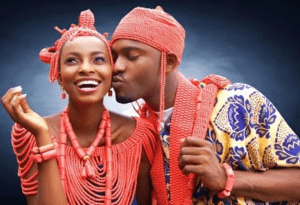
For all the women and men who have worn traditional clothes for centuries, it is clear that preserving their traditional values has been a way to keep up with families, friends, and history. This can be seen in the clothes they wear; from the intricate patterns embroidered across the dresses of rural women, to colorful handcrafted buttoned jackets made by craftspeople in towns around the country.
Also read: The Importance Of Fashion Accessories
Traditional wears are a major part of the country’s heritage.
You may be surprised to learn that traditional wears are a major part of the country’s heritage. Nigerians are very proud of their traditional wear and they believe it boosts the country’s tourism potential.
You can see this pride in action when you visit Nigeria, where people will crowd around you and ask questions about your clothes or other aspects of your culture. It’s important for them because they want to preserve one’s traditional values and build new ones with others who share similar interests.
“Traditional clothes are one of the biggest features of the country’s heritage,” says Ricardo, who lives in Lima. “They make us look nice, and they have a significant place in our cultural identity.” Traditional Peruvian clothing is known as huayco and takes many forms, from ponchos to tunics to skirts. And it’s not just for formal occasions either—even everyday men wear huaycos on their way to work or school.
In Nepal, traditional clothes are a part of our culture and heritage, which symbolize the diversity of the country’s ethnicity. These clothes are worn during important ceremonies like weddings, festivals, and other religious events.
Conclusion
We hope that this article has given you a better understanding of the importance of traditional clothing in Nigeria, as well as its role in preserving our heritage. The fact that many people still choose to wear traditional dress shows just how much they value it, and we hope they continue to do so. This is one way Nigerians can celebrate their country’s rich cultural history while also retaining their own identity today.