
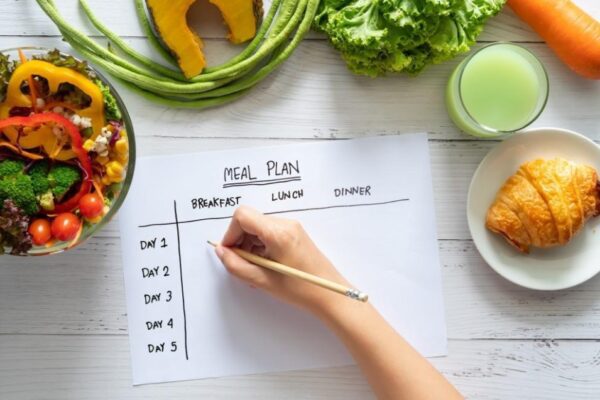

Meal planning can make everyday eating easier, save time and reduce the stress of deciding what to cook. However, creating a detailed schedule for every breakfast, lunch and dinner can quickly feel like another responsibility. The goal of meal planning is not perfection. It is about creating a simple routine that makes your week more organised while giving you enough flexibility to handle unexpected changes.
Start With a Few Meals
One of the easiest ways to make meal planning less overwhelming is to start small. Instead of planning every meal for an entire week, choose three or four dinners that you already enjoy and know how to prepare.
You can repeat meals without feeling that your diet lacks variety. Having a few reliable options means you spend less time searching for recipes and making decisions about what to cook.
Create a List of Favourite Meals
Think about meals that you and your family already enjoy. Write down your favourite breakfasts, lunches, dinners and snacks and keep the list somewhere convenient.
This makes meal planning much easier because you always have ideas available when you are unsure what to prepare. You can gradually add new recipes when you have more time or want to try something different.
Also Read: Understanding The Mental Fatigue From Constant Decision Making in Modern Life
Choose Versatile Ingredients
Another useful approach is to buy ingredients that can be used in several different meals. This can save money, reduce food waste and give you more flexibility.
For example, cooked chicken can be used in rice, pasta, wraps or salads. Vegetables can be added to soups, omelettes, stir-fries or sandwiches.
Choosing versatile ingredients makes meal planning practical because one shopping trip can provide the foundation for several different meals.
Plan Around Your Schedule
Your meals should fit your lifestyle rather than make your lifestyle more complicated. Look at your schedule before deciding what to cook.
If you know you will be working late on Tuesday, choose something quick and simple. Save more time-consuming recipes for days when you have more free time.
Good meal planning considers your energy, responsibilities and available cooking time. A realistic plan is much easier to follow than an ambitious one.
Make a Simple Shopping List
A shopping list is one of the most useful tools for successful meal planning. Before going to the supermarket, check your refrigerator, freezer and cupboards.
Write down the ingredients you actually need and avoid buying large quantities of food simply because they look appealing. A focused shopping list can help reduce impulse purchases and prevent you from forgetting important ingredients.
It can also make grocery shopping faster because you already know what you are looking for.
Prepare Ingredients in Advance
You do not need to spend an entire day cooking meals for the week. Instead, prepare a few basic ingredients that can make future meals easier.
You could wash vegetables, cook rice, boil eggs, prepare beans or portion ingredients into containers. Even a small amount of preparation can save valuable time later.
This is where meal planning becomes particularly useful for busy people. When healthy ingredients are already prepared, putting together a meal can take only a few minutes.
Use Leftovers Wisely
Leftovers can save both time and money. When preparing dinner, consider making enough food for another meal.
You can also use leftovers creatively instead of eating exactly the same meal again. Leftover chicken can become a sandwich or salad, while cooked vegetables can be added to rice, pasta or eggs.
Using leftovers is a simple part of meal planning that can reduce cooking time and help prevent food waste.
Leave Room for Flexibility
A common mistake is making a meal schedule so strict that there is no room for real life. Unexpected events happen, plans change and sometimes you simply do not feel like eating what you planned.
Your meal planning routine should allow you to switch meals around when necessary. If you planned pasta for Monday but decide to eat it on Wednesday, that is perfectly fine.
A meal plan should be a helpful guide, not a set of rules that creates additional stress.
Keep Convenient Options Available
Busy days can make cooking feel difficult, so keeping simple food options available can help. Depending on your dietary needs, this could include fruit, vegetables, yogurt, eggs, whole grains, beans or other easy-to-prepare foods.
Having convenient options reduces the temptation to skip meals or rely entirely on takeaway food when you are tired.
The purpose of meal planning is to make better choices easier, especially when you have limited time or energy.
Avoid Trying to Be Perfect
You do not need an elaborate spreadsheet, dozens of recipes or perfectly prepared meals. The best system is one you can maintain consistently.
If planning three dinners each week works for you, start there. Once the routine becomes comfortable, you can gradually add breakfasts, lunches and snacks.
Remember that meal planning should simplify your life, not become another source of pressure.
Turn It Into a Weekly Routine
Choose a specific day each week to spend 15 to 30 minutes organising your meals. Check your schedule, look at the food you already have and decide what needs to be purchased.
With time, meal planning can become a normal part of your weekly routine rather than a difficult task you have to force yourself to complete.
The biggest benefit is that you no longer have to ask yourself every day what you are going to eat. A simple plan gives you direction while still allowing flexibility.