
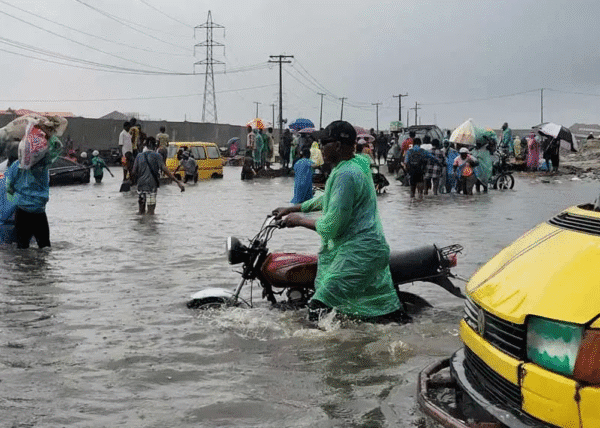

Lagos flooding has once again become the headline story as heavy rains left large parts of the city submerged. The scenes of stranded commuters, floating vehicles, and ruined homes highlight a crisis that has persisted for decades. Lagos is Africa’s largest city, but its residents continue to live with the reality that one heavy downpour can bring life to a standstill. The question remains why Lagos flooding keeps happening and what can be done to prevent it.
Lagos Flooding
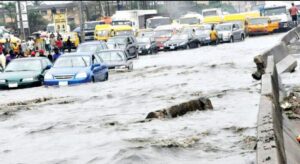
At the heart of Lagos flooding is poor urban planning. The city has expanded rapidly with millions of people moving in every year, yet drainage systems have not kept up with this growth. In many areas, roads are built without proper water channels, while older systems are blocked by debris. When rainfall meets this weak infrastructure, Lagos flooding becomes inevitable. Experts say investment in sustainable urban design must be prioritized if the city hopes to escape this recurring nightmare.
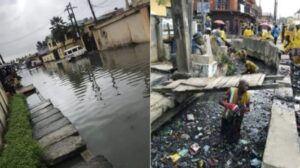
Another major cause of Lagos flooding is the improper disposal of waste. Drains are often clogged with plastic bags, bottles, and refuse dumped by residents. When the heavy rains come, blocked drains push water back into streets and neighborhoods. This cycle not only fuels Lagos flooding but also increases the risk of waterborne diseases. Public campaigns on proper waste management are ongoing, yet without strict enforcement and community effort, the problem will persist.
Climate change is also playing a role in the worsening of Lagos flooding. Rising sea levels along the Atlantic coast threaten low-lying areas, while storms have become more intense. Lagos is naturally vulnerable because of its location, but global warming has intensified the risks. As climate events grow more severe, experts warn that Lagos flooding will worsen unless adaptive strategies are implemented.
Also Read: Road to 2027: Actions, Not Rhetoric, Will Define Governor Umo Eno’s Legacy
The economic toll of Lagos flooding is massive. Businesses close, properties are damaged, and transportation systems collapse. Every year, billions of naira are lost due to Lagos flooding, making it more than just an environmental concern. It is a financial crisis that affects both the government and private citizens. Families who lose homes or belongings struggle for months to recover.
Prevention is possible but requires collective action. Proper maintenance of drainage systems is a crucial step. Authorities must regularly clear blocked drains and invest in new ones designed to handle the city’s increasing population. If Lagos wants to reduce Lagos flooding, it cannot rely on outdated infrastructure.
Urban planning reforms are equally important. The government must strictly regulate construction in flood-prone areas and stop illegal developments on waterways. By enforcing building codes and investing in modern drainage technology, the city can reduce Lagos flooding in the long run. Residents also have a role to play by ensuring they do not dump waste in canals and streets.
Technology can also provide solutions. Smart water management systems, flood prediction tools, and early warning apps can help residents prepare for heavy rains. If integrated with emergency services, these tools could reduce the human cost of Lagos flooding. Countries like Japan and the Netherlands have shown how technology can transform flood management, and Lagos can adopt similar strategies.
Education is key in the fight against Lagos flooding. Schools, churches, and community groups can raise awareness about responsible waste disposal and flood preparedness. When citizens understand their role in prevention, small actions can lead to major results. Lagos flooding cannot be solved by the government alone; it requires the cooperation of everyone.
The urgency of addressing flooding cannot be overstated. Each year the crisis grows, threatening lives and livelihoods. By combining government investment, community responsibility, and modern technology, the city can finally take control of its future. Lagos is a resilient city, but resilience must be matched with action.
Lagos flooding is not just a seasonal inconvenience but a warning sign. If left unchecked, it will only deepen with time. The people of Lagos deserve a safer, stronger, and more sustainable city. The solutions are within reach, but the will to act must be stronger than the waters that keep rising.