


In today’s fast-paced world dominated by smartphones, apps, and instant solutions, many lost skills are quietly slipping away. These are not flashy talents but everyday abilities that once defined human resilience and self-sufficiency. From handwriting to home repairs, these lost skills represent a connection to the past that technology often overshadows. Their decline says as much about our cultural shifts as it does about our dependence on modern conveniences.
Lost Skills Quietly Fading from the World
One of the most overlooked lost skills is handwriting in cursive. Once a staple in schools, it fostered creativity, fine motor skills, and personal style. With keyboards taking over, cursive is vanishing, leaving younger generations unable to even read old letters or historical documents. This lost skill reflects how digital speed is replacing human expression.

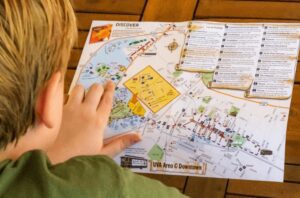
Another example of lost skills comes from navigation. Reading paper maps trained people to think spatially, understand routes, and adapt when lost. Now, GPS apps handle everything, leaving many helpless without satellite signals. This lost skill carried a sense of independence that few can claim today.
Basic mental math is also among the lost skills. In the past, quick calculations were second nature at markets, in trades, and during budgeting. Today, smartphones do the heavy lifting, eroding confidence in something as simple as adding or multiplying. This lost skill diminishes the sharpness of our minds over time.
Sewing and mending clothes used to be second nature. Parents and grandparents stitched tears and patched jeans without a second thought. With fast fashion and disposable wardrobes, this is another of the lost skills that once encouraged thrift and creativity but is now fading into obscurity.

Remembering phone numbers might seem trivial, but it is one of the most widespread lost skills. Decades ago, people knew dozens of numbers by heart. Now, contact lists have replaced memory, and few can recite more than one or two without pulling out their phone. This lost skill speaks volumes about how much we outsource our memory.
Cooking from scratch is yet another of the lost skills fading away. Apps and meal kits make it easy to avoid the process of preparing fresh food. Once a daily routine that defined family bonding and independence, this lost skill has given way to convenience and processed meals.
Also Read: DIY Self Care 5 Stress Relief Hacks You Can Do in 5 Minutes
Using a typewriter may seem outdated, but it once taught precision, discipline, and focus. Now it is among the lost skills kept alive only by collectors and hobbyists. Word processors have erased the sound of clacking keys and the patience of manual typing.
Changing a car tire, once taught as a basic rite of passage, is now considered optional. Roadside services and modern tire designs make this another of the lost skills disappearing from everyday life. Yet, knowing how to handle it once built confidence and resilience in emergencies.
Hand-developing photography in darkrooms has nearly vanished. Once one of the most creative lost skills, it involved mixing chemicals, controlling light, and watching images emerge from negatives. Today, digital filters replace that tactile artistry, leaving a generation without the patience such craft required.
Finally, basic home repairs like plumbing and wiring are part of the lost skills culture is quietly abandoning. Outsourcing to professionals has become the norm, and while YouTube tutorials exist, the practical independence of repairing things by hand is fading.
These lost skills are not fully gone yet, but their decline is a warning. As convenience grows, our competence shrinks. Reviving lost skills through workshops, family teaching, or personal practice can bridge the gap between past and present. They remind us that while technology simplifies life, it should not erase the essence of human capability.