
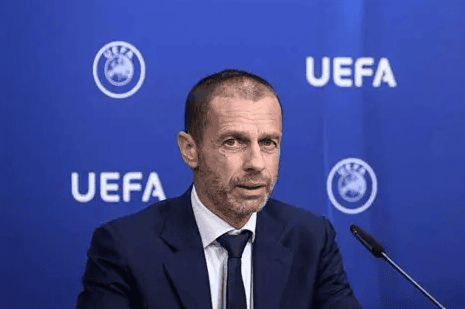

The future of international football has been thrown into the spotlight after UEFA’s 55 member associations united in opposition to FIFA’s proposed FIFA Forward Enterprise (FFE). The UEFA World Cup Boycott debate has quickly become one of the biggest stories in modern football governance, with Europe warning that it could refuse to participate in future FIFA competitions if the proposal moves forward without significant changes.
Although no European nation has officially withdrawn from the FIFA World Cup, UEFA’s position sends a powerful message. Europe believes football’s biggest tournament should remain under the control of football authorities rather than becoming increasingly influenced by private investment.
What Is FIFA Forward Enterprise?
At the heart of the controversy is FIFA Forward Enterprise, a proposed commercial subsidiary that would manage FIFA’s broadcasting, sponsorship, licensing, and digital rights.
According to reports, FIFA intends to sell a minority stake in the company to private equity investors, creating billions of dollars in new investment. FIFA has argued that the proposal would generate additional revenue that could be reinvested into football development across all 211 member associations.
Supporters believe the initiative could strengthen football globally by providing more funding for infrastructure, youth development, coaching, and grassroots programs.
However, the UEFA World Cup Boycott discussion began because UEFA believes the proposal raises serious concerns about who will ultimately influence decisions surrounding the world’s biggest football competitions.
Why UEFA Is Opposed
UEFA insists that the FIFA World Cup is more than a commercial asset. European football leaders argue that introducing private equity into FIFA’s commercial structure could fundamentally change how football is managed in the future.
Their concern is that once outside investors become involved, commercial returns could gradually become a higher priority than sporting integrity.
For UEFA, football should continue to be governed primarily by organizations acting in the interests of players, supporters, clubs, and national associations—not investors seeking financial returns.
The UEFA World Cup Boycott therefore represents a broader disagreement about football’s long-term direction rather than a simple financial dispute.
Also Read 2030 FIFA World Cup Will Be Played Across Three Continents for the First Time
Why Europe Matters to the World Cup
Europe has always played a central role in the FIFA World Cup.
Many of football’s most successful nations, including England, France, Spain, Germany, Italy, Portugal, and the Netherlands, are UEFA members. European teams have won most modern World Cup tournaments and consistently produce many of the world’s biggest football stars.
Without European participation, the tournament would lose many of its highest-ranked teams, global television audiences, and commercial value.
The UEFA World Cup Boycott has therefore become a serious issue not only for FIFA but also for broadcasters, sponsors, and millions of football supporters worldwide.
Concerns Beyond Money
Although finances have triggered the dispute, UEFA says its concerns go much deeper.
European football leaders have repeatedly spoken about protecting football’s traditions, competitive fairness, and long-term sustainability. They also believe that any major structural changes should involve extensive consultation with football’s stakeholders rather than being driven primarily by commercial considerations.
Player welfare also remains a major issue. Many professional footballers already compete in packed domestic and international calendars. Critics worry that additional commercial pressures could eventually lead to even more competitions and fixtures.
The UEFA World Cup Boycott debate has therefore become linked to wider conversations about balancing football’s financial growth with protecting players and preserving the quality of the game.
What Happens Next?
At this stage, UEFA has not officially withdrawn from FIFA competitions. Instead, Europe has issued a strong warning that participation cannot be guaranteed if concerns over FIFA Forward Enterprise remain unresolved.
FIFA now faces an important decision. It can continue pursuing the proposed commercial structure or seek greater cooperation with UEFA and other football stakeholders to address the concerns being raised.
The outcome of these discussions could shape the future relationship between football’s two most influential governing bodies.
A Defining Moment for Global Football
The UEFA World Cup Boycott has become one of the defining governance debates of modern football. It raises fundamental questions about who should control the sport’s biggest competitions and how football should balance commercial growth with its traditions and values.
Regardless of how the dispute ends, the message from Europe is clear: the FIFA World Cup is more than just a commercial product. It is one of the world’s greatest sporting events, built over generations through competition, passion, and history.
As negotiations continue, football fans around the globe will be watching closely. Whether FIFA modifies its plans or stands by its proposal, the decisions made in the coming months could influence the future of international football for decades to come.