
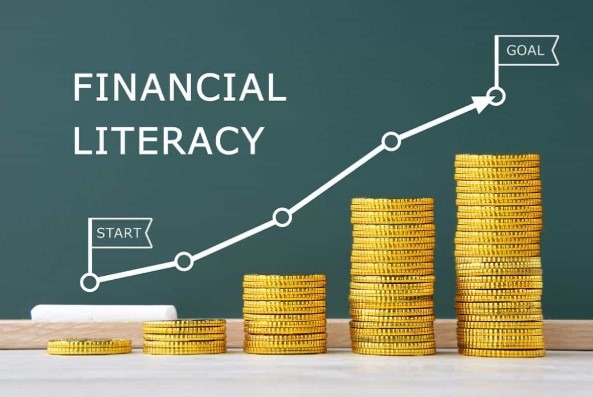

Financial literacy matters before you start investing because it helps you understand your money, risks and financial products. Without a basic understanding of money management, investing can feel like gambling. Learning how to budget, save, manage debt and evaluate opportunities gives you a stronger foundation for making informed financial decisions.
Understand Your Financial Position
Before putting money into an investment, you need to know your current financial position. Financial literacy helps you examine these areas realistically instead of investing money you may need for essential expenses.
An emergency fund is also important. Unexpected bills or job changes can create pressure. Having accessible savings can reduce the future need to sell an investment when necessary for your needs today.
Learn How Investments Work
Investing involves more than putting money into an app and waiting for returns. Financial literacy helps you understand the difference between assets such as shares, bonds, mutual funds, exchange-traded funds and other investment products.
Financial literacy also helps you compare investments. Each investment has its own level of risk, potential return, fees and time horizon. Understanding these differences can help you avoid choosing an investment simply because someone online claims it will make you rich quickly.
Recognise Risk
Every investment carries some level of risk. Financial literacy helps you understand that higher potential returns can often come with higher risks. It also teaches you why past performance does not guarantee future results.
Your personal situation should influence the amount of risk you take. Someone saving for a goal several decades away may approach investing differently from someone who expects to need the money within a few years.
Also Read: 10 Small Business Social Media Marketing Strategies That Work
Avoid Financial Scams
The internet has made financial information easier to access, but it has also created more opportunities for scams. Financial literacy can help you identify warning signs such as guaranteed profits, pressure to invest immediately, unclear business models and requests to send money through unusual channels.
Financial literacy encourages you to ask questions and verify information before committing funds. You should understand what you are buying, who provides it and how your money could be lost.
Control Your Emotions
Markets can rise and fall, sometimes quickly. Financial literacy can help investors understand that short-term price movements are a normal part of many investments. This knowledge may make it easier to avoid panic selling or rushing into an investment because of fear of missing out.
A clear plan can also make decisions easier. Define your goals, investment timeframe and acceptable level of risk before you invest.
Understand Fees and Taxes
Investment costs can reduce your overall returns. Financial literacy encourages you to check management fees, transaction costs, account charges and other expenses before choosing a financial product.
You should also understand how investment income or gains may be treated for tax purposes in your country. Rules can differ depending on the investment and your circumstances, so professional advice may be useful when you are unsure.
Start With Knowledge
You do not need to become a financial expert before making your first investment. However, financial literacy gives you the knowledge to make decisions with confidence and awareness.
Start by building financial literacy through basic concepts, building an emergency fund, managing expensive debt and setting clear financial goals. Then research investments carefully and use reliable sources rather than relying on social media recommendations.
Financial literacy does not remove investment risk, but it can help you recognise that risk and prepare for it. The goal is not to find a guaranteed way to make money. It is to understand your choices, protect your finances and make investment decisions that fit your circumstances.
Before investing your money, invest some time in understanding money itself. That knowledge can become one of the most valuable assets you build.

