


Nigeria, a land of diverse cultures and rich heritage, boasts a tapestry of traditional clothing that reflects the nation’s history, beliefs, and customs.
From the Igbo to the Yoruba, Nigerian traditional attire captures the essence of cultural identity and pride.
In this colorful journey through fashion, let’s dive into the intricacies of some of the most iconic Nigerian traditional outfits, unveiling the uniqueness and beauty they hold.
10 Popular Nigerian Traditional Outfits You Most Know
1. Agbada:

The Agbada is a majestic, flowing robe that signifies wealth, status, and cultural heritage.
It is often worn on special occasions such as weddings, festivals, and important ceremonies. The intricate embroidery, elaborate designs, and use of luxurious fabrics like silk or lace showcase the wearer’s affluence and social standing within the Yoruba and broader Nigerian society.
2. Buba and Iro:

This ensemble worn by Yoruba women consists of a loose-fitting blouse (Buba) paired with a wrapper tied around the waist (Iro).
The Buba and Iro showcase the grace, elegance, and cultural identity of Yoruba women. The vibrant colors, patterns, and embellishments used in these outfits reflect individual style while adhering to cultural norms.
3. Isiagu:

Specifically worn by Igbo men, the Isiagu is a symbol of masculinity, strength, and cultural pride.
The Isiagu’s intricate embroidery, often featuring symbolic motifs, signifies honor and identity within the Igbo community, often worn during special ceremonies or cultural events.
4. George Wrapper:

The George Wrapper is a staple in Igbo women’s fashion. This fabric is known for its rich texture, vibrant colors, and detailed designs.
Wearing the George Wrapper paired with a matching blouse symbolizes femininity, grace, and cultural affiliation within the Igbo community.
5. Aso Oke:
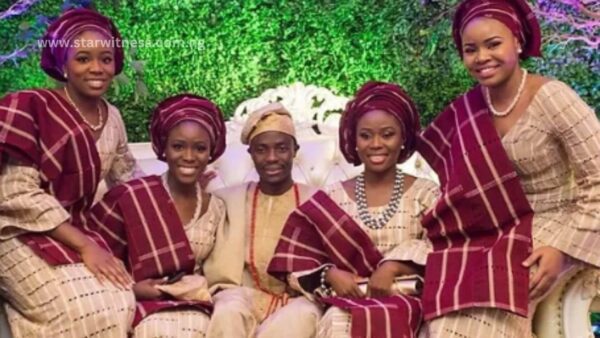
Aso Oke, a handwoven cloth, holds immense cultural significance among various Nigerian ethnic groups, particularly the Yoruba and the Hausa.
Wearing Aso Oke during celebrations and ceremonies represents cultural richness, heritage, and a sense of pride in one’s ethnic identity.
6. Danshiki:
A colorful, loose-fitting pullover adorned with intricate embroidery or designs, the Danshiki is a symbol of cultural pride and individual fashion expression among Nigerian men.
It is often worn casually or at cultural gatherings to showcase tradition and personal style.
7. Kaftan:
The Kaftan, characterized by its loose and comfortable design, is worn by both men and women across Nigeria. It represents elegance, modesty, and cultural inclusivity.
Kaftans are versatile and worn on various occasions, offering both comfort and a sense of traditional fashion.
8. Aso Ebi:
Aso Ebi refers to coordinated outfits worn by family members or guests at events, particularly weddings.
It fosters a sense of unity, belonging, and solidarity among attendees. The uniformity in attire symbolizes support for the celebrants and a shared cultural bond.
9. Abeti Aja:
This traditional outfit, mainly worn by the Yoruba during ceremonies and festivals, consists of a hat, wrapper, and sometimes a staff. It represents cultural festivity, respect for tradition, and a connection to ancestral heritage.
10. Ankara Styles:
Ankara fabric, characterized by its vibrant and colorful patterns, is used to create diverse fashion styles for both men and women.
These styles represent modernity, creativity, and a fusion of traditional African patterns with contemporary fashion trends, showcasing individuality and cultural pride.
Traditional Nigerian Clothing – Igbo:
The Igbo culture is a treasure trove of vibrant traditions, prominently showcased through their exquisite traditional attire.
For Igbo men, the focal point is the majestic ‘Isiagu,’ a heavily embroidered top symbolizing prestige and cultural heritage. Paired with trousers or the traditional ‘George’ wrapper, adorned with intricate patterns and symbolic motifs, the Isiagu exudes a sense of masculinity and pride.
On the other hand, Igbo women adorn themselves in the elegant ‘George Wrapper’ paired with a matching blouse, showcasing an array of vivid colors and designs that signify femininity and grace.
Accessorized with coral beads and embellishments, these outfits serve not only as clothing but as a reflection of social status, cultural identity, and a deep-rooted connection to Igbo heritage.
Traditional Nigerian Clothing – Yoruba:
The Yoruba culture boasts a rich tapestry of traditions, magnificently woven into their traditional attire. For Yoruba men, the distinguished ‘Agbada’ takes center stage—an opulent flowing robe adorned with intricate embroidery or lavish embellishments.
Paired with a ‘fila’ (cap) and ‘buba’ (tunic), the Agbada epitomizes elegance and cultural richness. Yoruba women flaunt the resplendent ‘Iro and Buba’ or the striking ‘Aso Oke,’ featuring flamboyant head ties, intricately patterned wrappers, and exquisitely crafted blouses.
With a striking display of bold colors and sumptuous fabrics, Yoruba traditional clothing captures the essence of sophistication, celebrating the heritage and identity of the Yoruba people with unparalleled grace and grandeur.
Nigerian Traditional Attire for Couples:
The allure of Nigerian traditional attire reaches new heights when it comes to couples’ ensembles, radiating an aura of love and cultural affinity. Couples often opt for meticulously coordinated or matching outfits that harmonize in color, design, and fabric, symbolizing unity and shared cultural values.
Whether it’s the resplendent ‘Aso Ebi’ ensembles or the intricately coordinated Igbo or Yoruba outfits, the synchronicity between the male and female attire becomes a testament to togetherness and mutual respect.
These attires, beyond their visual appeal, encapsulate a deeper connection—an embodiment of love, companionship, and a shared appreciation for tradition, making every occasion a vibrant celebration of both love and cultural heritage.
Nigerian Traditional Dress – Male:
Nigerian traditional dress for men stands as a bold fusion of heritage and contemporary style. From the grandeur of the Yoruba’s Agbada to the distinctive Isiagu of the Igbo, men’s traditional attire embodies charisma and cultural finesse.
Elaborate embroidery, vibrant colors, and luxurious fabrics elevate these ensembles, symbolizing honor, status, and a profound connection to Nigerian heritage.
Modern adaptations and stylizations have seamlessly integrated with these traditional attires, allowing men to embrace tradition while adding their unique touch, contributing to the evolution of these iconic garments, which continue to exude cultural significance and sophistication.
Nigerian Traditional Dress – Female:
Women’s traditional clothing in Nigeria is an epitome of elegance, tradition, and grace. The diverse range of fabrics such as Aso Oke, Ankara, and George provide a rich canvas for creative expression.
Adorned with intricate details, from the magnificent gele head wraps to the flowing wrappers and exquisitely embellished blouses, Nigerian women’s traditional attire epitomizes grace, poise, and cultural pride.
The versatility of these outfits effortlessly blends tradition with contemporary fashion, empowering women to embrace their heritage with confidence. These garments represent more than just fashion; they serve as a testament to the resilience of Nigerian culture, inspiring generations to cherish and celebrate the beauty of their rich heritage.
Conclusion:
Nigerian traditional outfits serve as more than just clothing; they encapsulate the essence of Nigeria’s diverse cultural tapestry. Whether it’s the Igbo’s symbolic Isiagu, the Yoruba’s majestic Agbada, or the resplendent attire for couples, each outfit narrates a story of heritage, pride, and unity.
The male and female traditional attires, with their vibrant colors, intricate designs, and cultural significance, continue to be a source of inspiration and admiration, uniting Nigerians in a shared celebration of their rich cultural legacy.
As these traditional garments evolve with time, they remain a testament to Nigeria’s enduring traditions and the beauty of its cultural diversity.