

Edet Ikotidem
The recent developments in Akwa Ibom State regarding the new minimum wage are a reflection of the growing tension between the Nigeria Labour Congress (NLC) and the state government.
The NLC has made it clear that they are willing to go on strike on December 1, 2024 if the state government does not address their demand for fair and timely implementation of the new wage structure.
Nigeria Labor Congress Clashes with Gov’t
This has brought significant attention to the challenges workers face across Nigeria and serves as a critical moment for labor relations in the state.
In Nigeria, discussions around the minimum wage have long been contentious, with workers and labor unions frequently advocating wage adjustments in line with inflation and rising living costs.
The federal government of Nigeria has set a minimum wage to standardize pay scales across the country. However, each state has the responsibility to implement the new wage structure based on its unique financial capacity and priorities.
The delay in the actual implementation of the new wage structure by several states has led to frustration among workers.
Meanwhile, labor unions argue that the delay is a matter of political will, pointing to budget mismanagement and waste as underlying issues.
In Akwa Ibom, the NLC has raised concerns about the government’s commitment to addressing the concerns of workers who continue to struggle with stagnant wages in a challenging economic environment noting that the verification of workers is ill timed. The NLC in the state has emphasized that, despite negotiations and advocacy, they feel the government has not taken their demands seriously.
The NLC is demanding that the Akwa Ibom State government commit to implementing the new minimum wage policy without further delay.
The union insists that the state’s workers are entitled to the adjusted wages as stipulated by the federal guidelines, and they have expressed frustration over what they perceive as undue delays in addressing the issue.
The labor union is also advocating an increase in pension and gratuity payments to address the challenges faced by retired workers in the state.
As a union, the NLC’s primary mission is to advocate fair and adequate compensation, representing both active workers and retirees.
The current economic climate in Nigeria has made it increasingly difficult for workers to meet basic living expenses, let alone save for the future.
The NLC argues that these conditions necessitate urgent action from the government to avoid further hardship for workers and their families.
Some quarters argue that the government is using the wokers verification to play for time noting no worker is interested in the so called 13th month pay but the new wage
After months of negotiation with little progress, the NLC in Akwa Ibom announced a deadline for the state government to act or face industrial action.
Labor unions often use strike threats as a negotiating tool to pressure employers or governments into action. However, this ultimatum reflects the seriousness of the situation and the frustrations workers in Akwa Ibom feel over what they see as neglect of their rights.
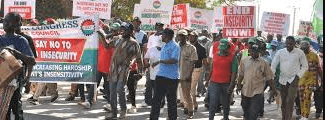
The union has made it clear that they are prepared to mobilize workers across the state in protest if necessary, which would significantly impact various sectors and services in Akwa Ibom.
Also read: Promotion Arrears for Teachers, Civil Servants in A’ibom: Unions Parley with Government Officials to Frustrate Workers
A strike by the NLC in Akwa Ibom would have wide-ranging consequences for the state. As the NLC represents workers across multiple sectors, the strike could disrupt healthcare, education, transportation, and administrative services, among others.
These disruptions would inevitably affect daily life for residents, many of whom rely on these essential services.
The healthcare sector, in particular, would feel the effects, as public health workers participate in the strike, potentially leaving hospitals and clinics understaffed. This could lead to longer wait times and a reduction in available services, affecting especially vulnerable populations. Similarly, a strike involving educators would disrupt the academic calendar, causing delays that could impact students and families across the state.
Beyond public services, a strike could also negatively affect the local economy, as reduced productivity and service availability would likely lead to financial losses for the state government. These disruptions could damage the government’s reputation and strain relationships with the public if the situation is not resolved in a timely manner.
Labor experts argue that the current wage issue underscores a need for broader reforms, including restructuring revenue allocation, increasing financial transparency, and prioritizing fiscal responsibility. Workers’ representatives insist that if state governments can tackle wasteful expenditures and corruption, it would be easier to address wage demands and improve overall labor conditions.
The Akwa Ibom government, for its part, has acknowledged the challenges posed by the new minimum wage structure. They have appealed to the NLC for patience, emphasizing their commitment to reaching a resolution that will satisfy both parties.
For workers in Akwa Ibom, this is not just a matter of wages—it is about securing a livable income in an economy where inflation is rising and living expenses are increasingly challenging.
As the deadline approaches, it is clear that both sides will need to work together to find a solution that balances fiscal responsibility with the need for fair compensation for workers. If successful, such a resolution could pave the way for improved labor relations and set a positive precedent for state governance across Nigeria.