

By Edet Ikotidem
The Energy and Maritime Reporters of Nigeria (EMR), Akwa Ibom State Branch, has called for strengthened maritime security, sustained capacity building for journalists, and increased investment in marine infrastructure to unlock the enormous economic potential of Nigeria’s blue economy.
EMR Calls for Stronger Maritime Security, Capacity Building as Journalists Undergo Energy Sector Training
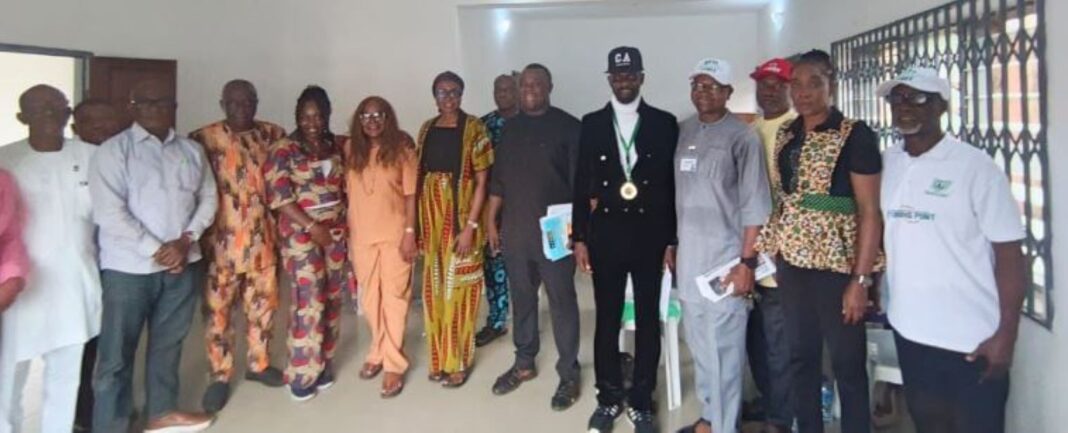
The resolutions were reached at the end of a one-day training workshop organised by the association on Thursday, June 26, 2026, at Plot 51 G-Line, Ewet Housing Estate, Uyo.
The workshop, themed “Understanding the Operations of International Oil Companies (IOCs) and Their Marine Logistics Service Companies in Akwa Ibom State Waterways,” brought together journalists, media practitioners, security experts and stakeholders in the energy and maritime sectors to enhance participants’ understanding of offshore oil and gas operations, marine logistics and maritime security.
Speaking during the workshop, resource person Mr. Sunny Udom provided participants with a detailed overview of the operations of International Oil Companies and the strategic role played by marine logistics companies in supporting offshore exploration and production activities.
EMR Calls for Stronger Maritime Security
He explained that marine logistics remains the lifeline of offshore operations through the transportation of personnel, equipment, supplies and emergency response services.
Another facilitator, DCP Joseph A. Udoh, psc (Rtd), delivered an engaging lecture on maritime security, marine logistics operations and safety procedures for journalists reporting from the waterways.
He highlighted the unique risks associated with covering offshore activities and stressed the importance of adhering to established safety protocols before embarking on any marine assignment.
Participants observed that International Oil Companies continue to play a significant role in Nigeria’s economy through investments, employment generation, technology transfer and revenue contributions to government.
The workshop also recognised that Akwa Ibom State possesses significant comparative advantages, particularly its extensive coastline, strategic maritime location and offshore oil and gas assets, making it well-positioned to emerge as a major marine logistics and energy services hub in Nigeria and across West Africa.
Participants further acknowledged the positive impact of the Nigerian Oil and Gas Industry Content Development Act, noting that the legislation has substantially increased indigenous participation in the oil and gas industry while creating opportunities for local entrepreneurs, skilled professionals and service providers.
However, the workshop expressed concern over persistent maritime security threats, including piracy, crude oil theft, pipeline vandalism, kidnapping, smuggling and other criminal activities, which continue to pose serious challenges to offshore operations and national economic interests.
The participants emphasised that responsible journalism remains indispensable to promoting transparency, accountability and investor confidence within the energy and maritime sectors.
They noted that balanced and factual reporting would contribute to informed public discourse and support sustainable sectoral development.
Recognizing the hazardous nature of energy and maritime reporting, the workshop urged journalists to prioritise personal safety by obtaining necessary operational clearances, conducting proper risk assessments, wearing appropriate personal protective equipment and complying strictly with maritime safety regulations whenever covering offshore activities.
Also Read: Ibom Deep Sea Port Deserves a Ministry of Blue Economy, Not a Departmental Afterthought
Environmental sustainability also featured prominently during the deliberations. Participants maintained that oil companies and marine operators must continue to prioritise pollution prevention, effective oil spill response, environmental protection and meaningful engagement with host communities as part of their corporate responsibilities.
At the end of the workshop, participants adopted several resolutions aimed at strengthening both the journalism profession and Nigeria’s maritime sector.
Among the resolutions was the need for journalists covering energy and maritime issues to continually improve their professional competence through regular training and specialised education.
They also encouraged the Energy and Maritime Reporters of Nigeria to institutionalise periodic capacity-building programmes to keep members informed about emerging trends and technological developments in the industries.
The workshop further urged government to strengthen maritime security by enhancing collaboration among the Nigerian Navy, Nigeria Police Force, Nigerian Maritime Administration and Safety Agency (NIMASA), Nigeria Security and Civil Defence Corps (NSCDC), the Department of State Services (DSS), the Nigerian Ports Authority (NPA) and other relevant security agencies.
Participants equally called on International Oil Companies and marine logistics service providers to deepen collaboration with host communities while sustaining investments in environmental protection, corporate social responsibility and community development initiatives.
Government at all levels was advised to prioritise investment in marine infrastructure and implement policies that encourage indigenous participation, attract private sector investment and create employment opportunities for Nigerians within the maritime economy.
The workshop also stressed that journalists should maintain cordial working relationships with security agencies while preserving editorial independence and avoiding the publication of sensitive operational information capable of jeopardising national security or ongoing security operations.
The participants commended the executive committee of the Energy and Maritime Reporters of Nigeria, Akwa Ibom State Branch, led by Comrade Harrison Ndifreke, for organising what they described as a timely and impactful training programme.
They also expressed appreciation to the resource persons for sharing practical knowledge and professional insights that would enhance the competence of journalists reporting the energy and maritime sectors.
The workshop concluded with participants reaffirming their commitment to professionalism, ethical journalism, safety consciousness and responsible reporting in support of sustainable development, maritime security and the continued economic prosperity of Akwa Ibom State and Nigeria.