

Edet Ikotidem
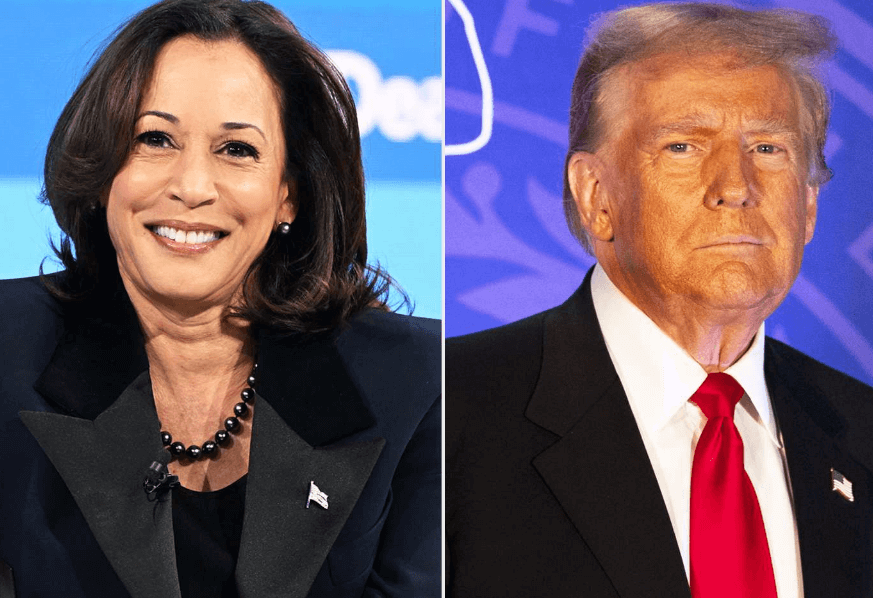
The political landscape in the United States is deeply divided, with voters holding strong opinions about their preferred leaders, Kamala Harris and Donald Trump
In recent years, Kamala Harris, the Vice President of the United States, has emerged as a significant figure in American politics, representing a stark contrast to former President Donald Trump.
The reasons why some Americans might prefer Harris over Trump are rooted in a complex interplay of policy preferences, leadership styles, and social dynamics. This essay explores the key factors that contribute to this preference, examining policy differences, leadership styles, representation, political experience, responses to social issues, and character and integrity.
Political Landscape in the United State
One of the most significant reasons Americans might prefer Kamala Harris to Donald Trump lies in their starkly different policy positions. Harris, as a member of the Democratic Party, aligns with progressive policies that emphasize social welfare, environmental sustainability, and equity.
For instance, she has been a vocal advocate for expanding access to healthcare through policies like Medicare for All, addressing the climate crisis with bold initiatives such as the Green New Deal, and pushing for comprehensive immigration reform that includes a pathway to citizenship for undocumented immigrants.
In contrast, Donald Trump’s policy positions are grounded in conservatism, with a focus on deregulation, tax cuts, and strict immigration controls. His administration prioritized rolling back environmental regulations, reducing taxes for the wealthy and corporations, and implementing stringent immigration policies, such as the travel ban on several Muslim-majority countries and the construction of a border wall with Mexico.
These contrasting approaches appeal to different segments of the American electorate. For many voters, particularly those in urban areas and younger demographics, Harris’s progressive agenda is more appealing as it addresses pressing social issues and promotes inclusivity.
The healthcare debate, for instance, is a crucial battleground where Harris’s advocacy for expanded access contrasts sharply with Trump’s attempts to dismantle the Affordable Care Act. The climate crisis is another area where voters may prefer Harris, as she supports aggressive action to mitigate environmental damage, while Trump’s policies were criticized for exacerbating the problem.
Leadership style is another critical factor that influences voter preferences. Kamala Harris is often seen as a calm, pragmatic leader who values coalition-building and consensus. Her approach to governance is characterized by careful deliberation, a focus on problem-solving, and a commitment to working across the aisle when possible. This style appeals to voters who are tired of the divisive and often combative nature of modern American politics.
But, Donald Trump is known for his unorthodox and often confrontational leadership style. His tenure as President was marked by frequent use of social media to directly communicate with the public, often bypassing traditional channels and norms. Trump’s rhetoric, which included attacks on political opponents, the media, and even members of his own party, contributed to a highly polarized political environment. While this approach endeared him to a base of supporters who appreciated his willingness to “tell it like it is,” it also alienated many voters who preferred a more traditional and unifying leadership style.
For Americans seeking stability and a return to normalcy in political discourse, Harris’s leadership style is often seen as a welcome change. Her emphasis on unity and her ability to maintain composure in the face of challenges stand in stark contrast to Trump’s often volatile and unpredictable behavior.
Kamala Harris’s historic election as the first woman, the first Black woman, and the first South Asian woman to serve as Vice President of the United States is a powerful symbol of progress in American society. Her representation in the highest echelons of government is particularly meaningful to voters who see her as embodying the ideals of diversity, inclusion, and opportunity.
For many Americans, especially women and people of color, Harris’s presence in the White House is a source of inspiration and pride. It signifies the breaking of barriers and the possibility of achieving the American Dream regardless of gender or race. This representation resonates with voters who feel that their voices and experiences are finally being recognized and valued in the political arena.
The Donald Trump’s presidency was often criticized for its lack of diversity, both in terms of his administration’s composition and his rhetoric. His controversial remarks about women, immigrants, and minorities fueled perceptions of exclusion and division. For voters who prioritize representation and the advancement of marginalized communities, Harris offers a stark and favorable contrast to Trump.
Kamala Harris brings a wealth of political experience to her role as Vice President, having served as the Attorney General of California and a U.S. Senator. Her background in law enforcement and her tenure in the Senate have equipped her with a deep understanding of the legislative process, legal frameworks, and the intricacies of governance.
As Attorney General, Harris gained a reputation for her tough stance on issues such as consumer protection, criminal justice reform, and environmental regulation. Her work in California, a state with a diverse and complex set of challenges, provided her with valuable experience in navigating the demands of a large and varied electorate.
In the Senate, Harris continued to build her political credentials, focusing on issues like criminal justice reform, healthcare, and immigration. Her experience on key Senate committees, such as the Judiciary and Intelligence Committees, further honed her skills in oversight and governance.
Also read: Joe Biden Ends Bid for Second Term in White House, Nominates Kamala Harris
Donald Trump, on the other hand, entered the political arena with no prior experience in government. While his outsider status appealed to voters who were frustrated with the political establishment, it also raised concerns about his ability to effectively govern and understand the complexities of domestic and international policy.
For voters who prioritize experience and a proven track record in public service, Harris’s background is a significant advantage. Her familiarity with the workings of government and her ability to navigate complex policy issues make her an appealing choice for those who seek competence and expertise in their leaders.
Kamala Harris has been a vocal advocate for addressing social issues such as racial justice, women’s rights, and LGBTQ+ rights. Her commitment to these causes resonates with voters who are deeply concerned about inequality and discrimination in American society.
During her time as a Senator, Harris introduced and supported legislation aimed at addressing systemic racism, protecting reproductive rights, and ensuring equality for LGBTQ+ individuals. Her work on the George Floyd Justice in Policing Act, for example, demonstrated her commitment to reforming law enforcement and addressing racial disparities in the criminal justice system.
Harris’s advocacy for women’s rights is also notable. She has consistently supported policies that protect women’s access to healthcare, ensure equal pay, and combat gender-based violence. Her stance on these issues appeals to voters who are passionate about advancing gender equality and protecting women’s rights in the face of ongoing challenges.
In contrast, Donald Trump’s administration was often criticized for its stance on social issues. His policies and rhetoric were seen by many as undermining progress on issues such as racial equality, women’s rights, and LGBTQ+ rights. For example, his administration’s attempts to roll back protections for transgender individuals and its handling of racial justice protests were widely criticized by civil rights advocates.
For voters who prioritize social justice and the protection of civil rights, Harris’s record and positions are likely to be more appealing than Trump’s. Her advocacy for marginalized communities and her commitment to addressing systemic inequalities reflect the values and priorities of many Americans who seek a more inclusive and equitable society.
Character and integrity are crucial factors that influence voter preferences. Kamala Harris is often perceived as having a strong moral compass and a commitment to public service. Her background as a prosecutor and her work in the Senate have earned her a reputation for being principled and dedicated to justice.
Harris’s focus on upholding the rule of law and her efforts to hold powerful entities accountable resonate with voters who value ethical leadership. Her ability to navigate complex and often contentious issues while maintaining a sense of fairness and justice is seen as a testament to her integrity.
While Donald Trump’s presidency was marred by numerous controversies and legal challenges that raised questions about his character and integrity. From the investigation into Russian interference in the 2016 election to his impeachment trials, Trump’s tenure was fraught with ethical concerns and allegations of misconduct.
For voters who prioritize honesty, transparency, and ethical governance, Harris represents a clear alternative to Trump. Her commitment to justice and her record of public service make her a compelling choice for those who seek a leader with strong moral principles.
Harris’s progressive policies, pragmatic leadership, and historic representation offer a vision of America that appeals to voters who prioritize inclusivity, social justice, and ethical governance. Trump’s conservative policies, combative style, and controversial tenure have polarized the electorate, leading many to seek an alternative in leaders like Harris who embody the values of diversity, experience, and integrity.
As the political landscape continues to evolve, the choice between leaders like Harris and Trump reflects broader debates about the direction of the country, the role of government, and the values that define American society. For those who prefer Harris, the reasons are clear: her leadership represents a commitment to progress, unity, and a more equitable future for all Americans.