
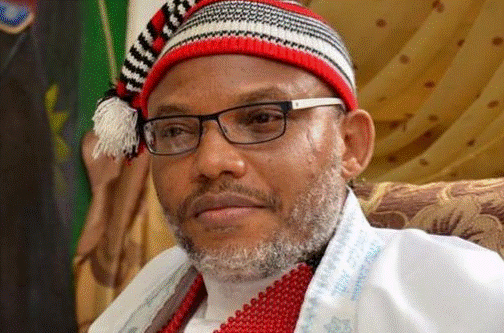

Tension erupted in Abuja on Monday as police officers clashed with demonstrators during the ongoing Nnamdi Kanu protest, leaving several people injured and others arrested. Among those apprehended were Nnamdi Kanu’s lawyer, Barrister Aloy Ejimakor, and his younger brother, Prince Emmanuel Kanu. The incident has sparked widespread outrage among human rights activists and pro-democracy advocates across Nigeria.

Nnamdi Kanu Protest in Abuja
The Nnamdi Kanu protest was organised to demand the immediate release of the detained leader of the Indigenous People of Biafra (IPOB), Mazi Nnamdi Kanu, who has been in custody since 2021 despite multiple court rulings ordering his release. Protesters had gathered at strategic locations in Abuja, including the Transcorp Hilton and Maitama areas, singing solidarity songs and displaying placards calling for justice.
Eyewitnesses reported that the police arrived at the scene heavily armed and immediately began firing tear gas to disperse the peaceful demonstrators. Many protesters fled for safety as chaos spread through the area. The Nnamdi Kanu protest quickly turned tense as bystanders, including traders and commuters, were caught in the commotion. Witnesses described scenes of confusion as people ran in different directions to escape the gas.
Human rights activist and convener of the Take It Back movement, Omoyele Sowore, confirmed the arrests on social media. He accused the police of using excessive force and called for the unconditional release of those detained. According to him, the Nnamdi Kanu protest was peaceful until the security forces arrived. “They brutalized protesters, arrested innocent bystanders, and took them to the FCT Command CID,” Sowore said, demanding accountability from the police authorities.
Aloy Ejimakor, before being taken away, managed to post a brief message confirming his arrest. “We’ve just been arrested. Myself, Prince Emmanuel, and others are at FCT Command CID, Gariki 2, Abuja,” he wrote. The Nnamdi Kanu protest later saw more participants demanding information about his whereabouts and condemning what they described as “state-sponsored intimidation.”
Also Read: Ibom Air Passenger Arrested After Stealing N290,000 From Foreign Traveller
Kanunta Kanu, another of Nnamdi Kanu’s brothers, also confirmed the arrests, insisting that protesting for his brother’s release was a fundamental right protected by law. He said the Nnamdi Kanu protest would continue despite the police crackdown. “They should be released immediately because it is their right to protest,” he wrote online, calling on Nigerians to stand against oppression.
Earlier reports had indicated that the police and other security agencies had mounted heavy surveillance across the Federal Capital Territory ahead of the demonstration. Strategic areas such as the Three Arms Zone, Eagle Square, Unity Fountain, and routes leading to Aso Rock were placed under tight control. As the Nnamdi Kanu protest gained momentum, security operatives intensified their presence, causing traffic disruptions and panic among residents.
Witnesses said even before protesters gathered, the police had already started firing tear gas in Maitama, affecting commuters and ordinary citizens. “There were no protesters yet; people were just moving around when suddenly tear gas filled the air,” one witness explained. This preemptive response has drawn criticism from several groups, accusing authorities of suppressing free speech and peaceful assembly.
The Nnamdi Kanu protest also drew participation from clergymen, students, and civil society organisations who joined voices to call for justice. Many accused President Bola Tinubu’s administration of ignoring court orders and showing contempt for the rule of law. They insisted that until Nnamdi Kanu is released, demonstrations will continue nationwide.

Legal experts have also expressed concern over the implications of the arrests, saying it signals a growing intolerance for dissent. They argue that the right to protest remains a cornerstone of democracy and that the heavy-handed approach of the police during the Nnamdi Kanu protest undermines public confidence in law enforcement institutions.
As of press time, Ejimakor and others remain in custody at the FCT Command, while civil rights groups are mobilising to secure their release. The Nnamdi Kanu protest may have been forcefully disrupted, but its message continues to echo across social media platforms, with citizens demanding respect for human rights and justice for all those unlawfully detained.

