

Peace Okoye
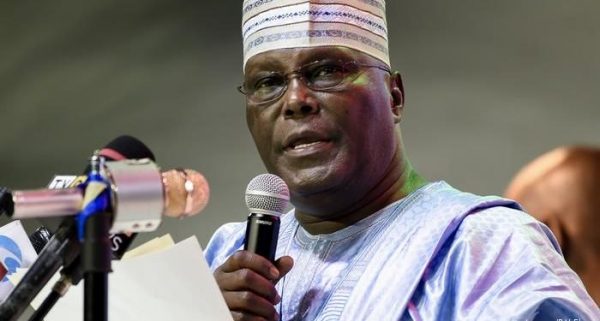
Former Vice President and 2023 PDP presidential candidate, Atiku Abubakar, has sharply condemned the arrest of outspoken Nigerian social media critic Martins Otse, popularly known as VeryDarkMan (VDM). He described the action as a “blatant abuse of power” and a reflection of the growing trend of political repression under the administration of President Bola Ahmed Tinubu.
VDM, a bold and controversial online figure known for fearlessly tackling corruption and societal issues, was arrested last Friday by operatives of the Economic and Financial Crimes Commission (EFCC). His detention followed what the EFCC described as “several petitions” against him. However, the agency has yet to publicly disclose the specific charges or offenses involved.
The incident took place shortly after VDM visited a GTBank branch in Abuja, reportedly to complain about unauthorized deductions from his mother’s bank account. Not long after this visit, he was picked up by EFCC agents. Reports suggest he was manhandled during the arrest, raising concerns about excessive force and abuse of procedure.
Atiku Abubakar took to X (formerly Twitter) to express his outrage, stating:
“The arrest and continued detention of social media influencer and outspoken critic, Mr. Martins Vincent Otse, widely known as VeryDarkMan (VDM), by the Economic and Financial Crimes Commission (EFCC), is yet another blatant abuse of power by the Tinubu administration, which has made political repression a hallmark of its rule.”
Atiku further accused the administration of trampling on civil liberties and using state agencies as tools of intimidation against dissenters and opposition figures. According to him, VDM’s continued detention without formal charges is a direct violation of his constitutional rights.
“Even more alarming is the fact that Mr. Otse remains in custody without any formal charges. It is a flagrant violation of his constitutional rights and a chilling reminder of the growing authoritarianism under this government,” Atiku added.
VDM is no stranger to controversy. He has built a large online following by challenging political elites, celebrities, and institutions with bold and sometimes polarizing commentary. While some critics accuse him of crossing lines, many Nigerians — especially youth — see him as a fearless voice for justice in a system where many are afraid to speak.
Also Read: Why Governor Umo Eno’s Exit from an Unstable PDP to APC is Commendable
The EFCC, in its brief statement, noted that Otse would be charged to court soon, though no timeline has been given. The agency insists that his arrest is based on multiple petitions, but critics argue that the lack of transparency and the swiftness of his detention hints at a politically motivated agenda.
Atiku used the opportunity to draw attention to what he describes as unequal justice under Tinubu’s rule — where critics are quickly detained, but political allies with serious allegations of corruption are left untouched.
“While security agencies are quick to target dissenters and critics, often in complete disregard of due process, political loyalists with credible allegations of corruption walk free, trading sycophancy for immunity,” he wrote.
Social media has since erupted with the hashtag #FreeVDM, as Nigerians demand his release and transparency from the EFCC. Civil rights groups and legal activists have also raised the alarm, warning that the country may be sliding into authoritarian rule where voices of dissent are silenced through force and fear.
Atiku’s reaction reflects growing concerns about freedom of speech and democratic principles in Nigeria. As the nation continues to grapple with economic hardship, insecurity, and political division, the arrest of a social media critic like VeryDarkMan sends a powerful message — one that many believe undermines the spirit of democracy.
The case remains under scrutiny, and Nigerians both online and offline are watching closely. Whether this ends in justice or further controversy remains to be seen, but one thing is clear: the voice of VeryDarkMan has once again sparked a national debate on freedom, power, and the role of dissent in a democratic society.