
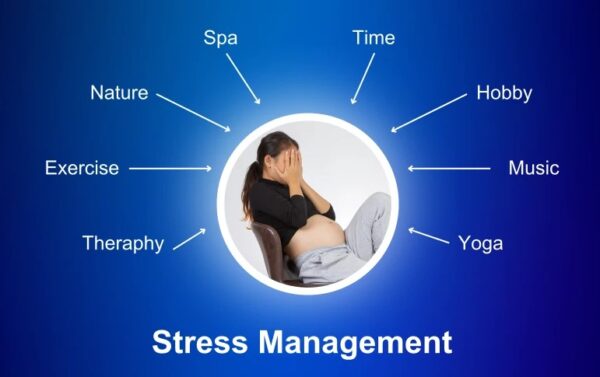

We all know what stress feels like that tight chest, racing thoughts, or the feeling that no matter how much you do, it’s never enough. Life throws so much at us, and it’s easy to feel like we’re just trying to survive each day. That’s why finding the right stress management tools matters so much. They’re not magic wands, but they’re little anchors that help keep you steady when everything feels overwhelming.
stress management

The good news is that stress management tools don’t have to be complicated. You don’t need to meditate for hours or buy expensive gadgets. Sometimes it’s as simple as pausing to take a deep breath. I know it sounds cliché, but just five slow breaths—really paying attention to the inhale and exhale—can calm your body down in ways you wouldn’t believe. That’s one of those quick stress management tools you can use while sitting at your desk, waiting in traffic, or before a tough conversation.
Moving your body is another one. Exercise doesn’t have to mean sweating it out at the gym if that’s not your thing. A walk around the block, dancing to your favorite song in the living room, or even stretching before bed can work wonders. Physical movement is one of the oldest and most reliable stress management tools because it releases all that pent-up energy and helps clear your head.

Then there’s journaling. Honestly, I used to think writing things down was pointless—until I tried it on a really stressful day. Putting my messy thoughts on paper instantly made me feel lighter, like I’d emptied out part of the mental clutter. Over time, I realized it’s one of the stress management tools that quietly teaches you how to process your emotions instead of letting them pile up.

But sometimes, what helps most isn’t something you do alone—it’s reaching out. Calling a friend or talking to someone who listens without judgment can shift everything. Connection is one of the most underrated stress management tools, and it reminds us that we don’t have to carry everything by ourselves.
Also Read: Mindfulness Practices for a Calmer, More Focused You
Another thing I’ve learned the hard way is the power of saying no. For years, I said yes to everything and ended up exhausted and resentful. Learning to set boundaries has been one of the most life-changing stress management tools for me. Protecting your time and energy isn’t selfish—it’s survival.
And let’s not forget sleep. It’s easy to cut corners when life is busy, but nothing magnifies stress like being tired. Building better sleep habits—turning off screens earlier, keeping a routine, or making your room a calm space—can transform how you handle challenges. Honestly, good rest is one of the simplest yet strongest stress management tools we have.
Technology can play a role, too. Sure, our phones often make us feel more stressed, but they can also help. Meditation apps, calming playlists, or even setting reminders to take breaks can turn your phone into one of your daily stress management tools instead of just a source of distraction.
The truth is, stress will always be part of life. What matters is how we respond. That’s why stress management tools are so valuable they give us choices. Instead of reacting with panic, we can pause, reset, and move forward more calmly. Over time, these small habits build resilience, and suddenly the things that used to overwhelm us feel a little easier to handle.
So the next time life feels heavy, remember that peace is closer than you think. Reach for one of your stress management tools—take a walk, write it out, call a friend, or just breathe. These aren’t big, dramatic fixes, but simple daily practices that slowly but surely shift the way you experience life. With the right tools, stress doesn’t have to control you. You can meet it with strength, calm, and a little more peace every single day.