
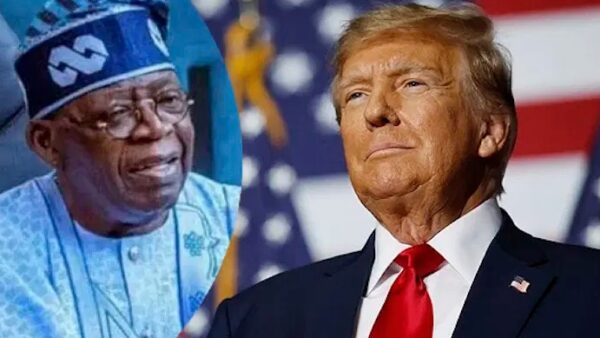

In a dramatic twist that gripped social media over the weekend, reports emerged claiming President Bola Ahmed Tinubu was set to travel to the United States to meet Vice President J.D. Vance. The story, published by Sahara Reporters on November 2, 2025, sent Nigerians online into a frenzy, sparking heated debates and countless memes. The report alleged that the visit was linked to growing tensions over Nigeria’s designation as a “Country of Particular Concern” by the U.S. government for alleged religious persecution. It even went as far as suggesting that former President Donald Trump had instructed his team to prepare for possible “military action” concerning Nigeria.
Tinubu US Visit Rumor Debunked
As the rumor gained momentum, social media users took turns mocking the alleged trip. Memes flooded X (formerly Twitter), with many Nigerians joking about President Tinubu meeting “Trump’s apprentice” instead of the president himself. Some even speculated that the alleged meeting was a diplomatic setup. However, the frenzy was short-lived, as the Presidency swiftly moved to dismiss the claims as fake news.
Also Read: Wole Soyinka Reacts as U.S. Revokes His Visa Permanently

Temitope Ajayi, the Senior Special Assistant to President Tinubu on Media and Publicity, issued an immediate rebuttal via his verified X handle, calling the story completely false. “There’s a Sahara Reporters story that President Tinubu is going to the U.S. on Tuesday to see U.S. Vice President J.D. Vance. That story is not true,” Ajayi stated. He went further to accuse the publication of deliberately spreading misinformation, noting that the fake report had already triggered unnecessary commentary across social media platforms.
In a follow-up post that quickly went viral, Ajayi added a strong message that resonated with many Nigerians: “If President Tinubu is going to the White House, he won’t be going to see a Vice President.” The statement was widely interpreted as a bold reaffirmation of Nigeria’s sovereignty and Tinubu’s diplomatic standing. It signaled that any official U.S. engagement involving Nigeria’s President would occur strictly at the highest level—with President Trump himself.
The viral story from Sahara Reporters had cited unnamed “diplomatic sources” and a U.S. State Department document as evidence, painting a picture of urgency and tension. However, experts and analysts quickly pointed out the lack of verifiable information, labeling the report as speculative and politically motivated. By Sunday morning, the rumor had spread so widely that it briefly trended among the top hashtags in Nigeria.
Meanwhile, the Presidency used the opportunity to address broader issues about religious tolerance in Nigeria. In a separate statement released on November 3, President Tinubu reaffirmed the government’s commitment to protecting the rights of all citizens. “Nigeria remains a secular state committed to freedom of worship for every citizen,” the statement read. This clarification helped to calm nerves and redirect public attention toward verified information.
The Presidency’s prompt reaction underscored two important lessons about media accountability and public communication. First, it demonstrated how quickly misinformation can dominate national conversations. Second, it reinforced the importance of official communication channels in setting the record straight. Within hours, major Nigerian outlets such as Punch, Daily Post, and The Cable published the Presidency’s clarification, effectively turning the narrative around from “Tinubu summoned by Vance” to “Presidency exposes fake news.”
Political analysts believe this incident highlights both the power and peril of digital media in shaping public opinion. In a country where political speculation thrives, unverified stories can spread rapidly, influencing perceptions before truth catches up. The episode also reignited discussions about the credibility of certain online news platforms and their responsibility in verifying claims before publication.
In the end, the rumor of a Tinubu US visit serves as another reminder of how quickly misinformation can spread in the digital age. It also shows the necessity of relying on credible sources, especially in matters involving international diplomacy. The Presidency’s swift and firm denial restored public clarity, turning what began as a viral hoax into a valuable lesson about the power of truth in Nigeria’s political space.

