
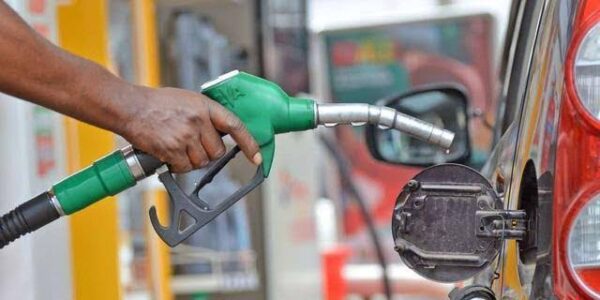

The fuel price surge in Nigeria is no longer just news, it is something people are feeling every single day. From transport fares to food prices, everything is rising, and the pressure is getting real. If you live in Nigeria right now, you already know that buying fuel has become one of the biggest daily struggles.
fuel price surge in Nigeria
To understand the fuel price surge in Nigeria, you need to look at what is happening behind the scenes. Petrol prices have jumped massively in just a short time, with reports showing increases of about 39.5 percent since late February. This is not normal movement. This is a sharp spike that is affecting the entire economy.
Right now, the fuel price surge in Nigeria has pushed pump prices to shocking levels. In many places, petrol is selling between ₦1,300 and ₦1,400 per litre, depending on location. Some stations are even adjusting prices almost every few days, which shows how unstable things have become.
One major reason behind the fuel price surge in Nigeria is the global oil crisis. The ongoing tensions in the Middle East have pushed crude oil prices higher, and Nigeria is feeling the impact directly. Even though Nigeria produces crude oil, it still depends heavily on refined fuel, which makes local prices sensitive to global changes.
Another key factor driving the fuel price surge in Nigeria is the rising influence of local refining. The Dangote refinery has been increasing its prices multiple times in a single month, and marketers are simply passing those costs to consumers. This means every adjustment at the top quickly reflects at filling stations.
The fuel price surge in Nigeria is also connected to supply changes. The government has reduced fuel import licenses to support local production, which sounds good in theory but also reduces competition. When supply options are limited, prices can rise faster and become harder to control.
What makes the fuel price surge in Nigeria even more frustrating is how it affects everyday life. Transport costs have increased, food prices are rising, and small businesses are struggling to survive. When fuel goes up, everything else follows, and that is exactly what Nigerians are experiencing now.
Looking ahead, the fuel price surge in Nigeria is not likely to stop anytime soon. Industry experts have already warned that prices may continue to increase due to global oil trends. This means what people are seeing now might not even be the peak yet.
From a realistic point of view, the fuel price surge in Nigeria is exposing a deeper problem. Nigeria is a major oil producing country, yet it still struggles with refining and distribution. This contradiction is one of the biggest reasons why fuel prices remain unstable.
Also Read: SSDC and REA Sign Major Partnership to Expand Electricity Access in South South Nigeria
Another important angle to the fuel price surge in Nigeria is inflation. As fuel prices rise, businesses increase their prices to survive, and that puts more pressure on consumers. This cycle continues and makes it harder for people to manage daily expenses.
As someone observing this situation, the fuel price surge in Nigeria feels like more than just an economic issue. It feels like a system problem that has been building for years. The current situation is just revealing it more clearly.
So what should you expect next from the fuel price surge in Nigeria. First, expect continued price adjustments. Second, expect higher cost of living. Third, expect more pressure on households and small businesses if nothing changes quickly.
In the end, the fuel price surge in Nigeria is a serious situation that is affecting everyone. It is not just about fuel anymore. It is about survival, planning, and adapting to a new economic reality. The big question now is not whether prices will rise, but how Nigerians will cope with what is coming next.