


There are many Interesting Fact About Ethiopia Cultural Clothes you should know. Ethiopia, a country with a vibrant mix of many cultures and customs, is enthralling not just because of its magnificent scenery but also because of the gorgeous embroidery of its traditional attire.
These clothes are more than simply pieces of fabric sewn together; they are living testaments to Ethiopia’s artistic heritage and rich history.
Discovering Ethiopian traditional clothing opens to a fascinating world that tells stories of pride and lineage.
Historical Background of Ethiopian Clothing
Ethiopian clothing has ancient origins that trace a complex history influenced by trade routes, historical eras, and the blending of many ethnic groups.
These clothes bear the imprints of centuries of civilization and contact with neighboring civilizations, making them authentic Ethiopian heritage relics.
Clothes has served as a cultural emblem and a symbol of the nation’s tenacity throughout history, dating back to the Aksumite era and the Abyssinian era.
13 Facts About Ethiopia Cultural Clothes
1. Ethnic Diversity in Attire:
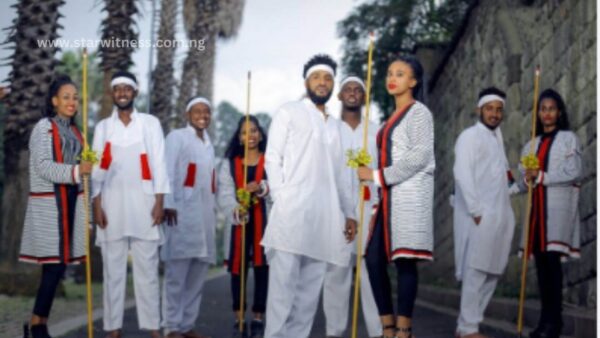
Ethiopia’s cultural clothing is a tapestry woven with the vibrant threads of its diverse ethnic groups. With over 80 distinct ethnicities, each group boasts its unique traditional attire.
From the Amhara to the Oromo, the Tigray to the Sidama, these garments serve as living expressions of cultural identity, passed down through generations.
2. Symbolism in Colors:
Colors within Ethiopian clothing carry symbolic meanings deeply rooted in cultural beliefs.
White signifies purity and peace, while other colors like red symbolize power or strength, green represents fertility and growth, and yellow often denotes spirituality or prosperity.
The choice of colors in garments communicates messages of identity and significance.
3. Habesha Kemis and Netela:
The ‘Habesha Kemis,’ a traditional Ethiopian dress, and the ‘Netela,’ a versatile shawl, are quintessential elements of Ethiopian attire.
The Habesha Kemis, predominantly worn by women, is typically made from white fabric and intricately adorned with colorful embroidery, serving as a canvas for artistic expression.
The Netela, draped over shoulders, is both practical and decorative, adding elegance to outfits while offering warmth.
4. Cultural Representation:
Ethiopian clothing acts as a visual language, representing cultural beliefs, social status, and regional affiliations.
Patterns, designs, and accessories within the attire often communicate aspects of a person’s identity, such as their ethnic group, marital status, or even occupation.
5. Weaving and Embroidery Techniques:
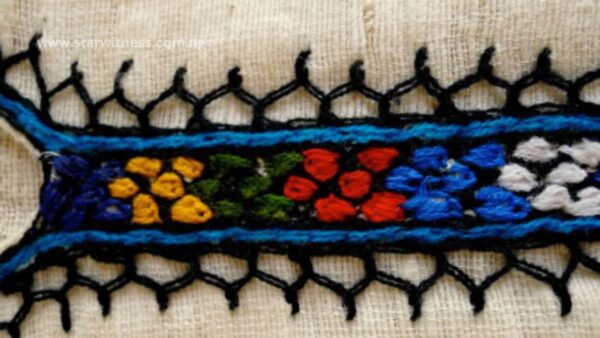
Crafted using intricate weaving and embroidery methods, Ethiopian garments showcase the skill and artistry of local artisans.
These techniques, passed down through generations, not only create visually stunning designs but also preserve cultural heritage and traditions, making each piece a testament to the country’s rich history.
6. Religious Influences:
Religion plays a significant role in Ethiopian clothing. Attire worn during religious ceremonies often incorporates symbols or motifs reflecting Christian or Islamic faith.
Crosses, crescents, or other religious emblems can be intricately woven or embroidered into the fabric, signifying spiritual devotion and beliefs.
7. Jewelry as Adornments:
Traditional Ethiopian attire is complemented by exquisite jewelry. From intricately designed necklaces to bracelets and earrings, these adornments are often crafted from materials like gold, silver, beads, and semi-precious stones.
These accessories not only enhance the beauty of the attire but also hold cultural significance, symbolizing wealth, status, and heritage.
8. Family and Ceremonial Dressing:
During special occasions like weddings, religious celebrations, or cultural festivals, families often don traditional clothing as a collective display of unity and shared heritage.
Coordinated or matching outfits reinforce familial bonds and signify pride in cultural identity, creating a sense of belonging and togetherness.
9. Men’s Traditional Attire:

Men’s traditional clothing in Ethiopia, like the ‘Kuta’ and accompanying garments, showcases regional variations in style and design.
These garments, adorned with intricate embroidery and accessories such as sashes and head coverings, reflect not only cultural identity but also individuality within the broader cultural context.
10. Women’s Graceful Ensembles:
Women’s traditional attire, particularly the Habesha Kemis and Netela, epitomizes elegance and grace.
The intricacy of embroidery, vibrant patterns, and the addition of beaded jewelry and elaborate hairstyles further elevate these ensembles, not just as clothing but as expressions of femininity, cultural pride, and timeless beauty.
11. Passing Down Heritage:
Traditional clothing in Ethiopia holds profound sentimental value and serves as a conduit to connect generations.
Passing down these garments from ancestors to descendants fosters a sense of continuity, preserves familial histories, and ensures that cultural legacies endure through time.
12. Expression of Festivities:
During cultural festivals and celebrations like Timkat (Epiphany) or Meskel (Finding of the True Cross), Ethiopians proudly adorn themselves in their finest traditional attire.
This expression emphasizes the celebratory nature of these events, fostering a collective sense of joy, pride, and cultural unity.
13. Contemporary Relevance:
Despite the influences of modernity, Ethiopian cultural clothing retains its significance and relevance.
Efforts to preserve, promote, and innovate within these traditions highlight their enduring importance in representing the country’s rich cultural identity and serving as a source of national pride amidst changing times.
Ethiopian Traditional Dress for Men
For Ethiopian men, traditional attire often centers around the ‘kuta,’ a finely embroidered shirt, usually reaching knee-length.
This is complemented by ‘shamma,’ a wrap-around cloth, or tailored pants, accentuated with decorative sashes and head coverings. The attire’s elegance lies not just in its design but in the pride with which it is worn, signifying a connection to heritage and roots.
Ethiopian Traditional Dress for Women
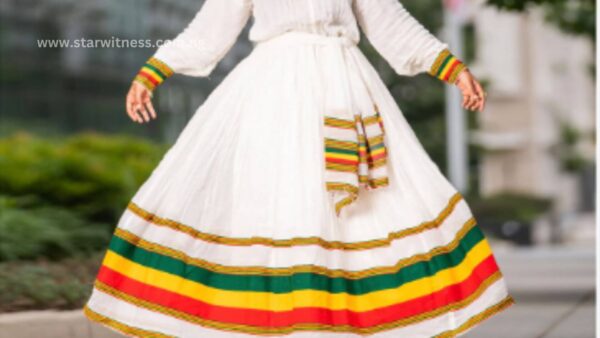
Ethiopian women exude grace and beauty in their traditional attire. The ‘habesha kemis,’ a flowing white dress adorned with vibrant patterns, stands as an iconic symbol.
Another staple is the ‘netela,’ a delicate shawl draped elegantly over the shoulders, embellishing their attire.
Accessories like beaded jewelry and intricate hairstyles further embellish these stunning ensembles, reflecting a celebration of femininity and culture.
Ethiopian Traditional Clothes for Family
In Ethiopia, attire extends beyond individual expression to represent familial bonds during significant occasions.
Families often dress in coordinated or matching garments during weddings, religious ceremonies, and festivals.
This collective display of traditional clothing not only symbolizes unity but also fosters a sense of belonging and shared heritage among family members.
Symbolism and Significance of Attire
The intricate patterns and colors woven into Ethiopian clothing carry profound symbolism. These elements denote social status, religious beliefs, or regional affiliations.
Vibrant hues symbolize joy and festivity, while subtler motifs echo tales of resilience and cultural pride, turning each garment into a canvas of cultural expression and heritage.
FAQs Related to Interesting Fact About Ethiopia Cultural Clothes
What is the traditional clothing of Ethiopia?
Traditional clothing in Ethiopia varies significantly across different regions and ethnic groups. However, some of the most recognized traditional clothing includes the ‘habesha kemis’ for women and the ‘kuta’ for men.
The ‘habesha kemis’ is a white, flowing dress adorned with colorful embroidery, while the ‘kuta’ is a knee-length shirt worn by men, often accompanied by tight-fitting pants or a wrap-around cloth known as ‘shamma.’
How to dress Ethiopian?
Dressing in an Ethiopian style can involve various elements, depending on the occasion and personal preference. For men, it often includes wearing the ‘kuta’ with either tailored pants or a ‘shamma,’ along with a decorative sash and head covering.
Women might wear the ‘habesha kemis’ or ‘netela,’ accessorized with beaded jewelry and elegant hairstyles. When attending traditional events or ceremonies, it’s respectful to don these traditional garments.
What do Ethiopian brides wear?
Ethiopian brides typically wear stunning and intricately designed bridal attire that reflects their cultural heritage. This often includes a white wedding dress embellished with vibrant patterns and embroidery.
Additionally, brides might adorn themselves with traditional jewelry, such as necklaces, bracelets, and headdresses, to complement their attire and enhance their beauty on their special day.
What is the Ethiopian dress called?
The traditional dress commonly worn by Ethiopian women is called the ‘habesha kemis.’ This dress is characterized by its flowing, ankle-length or knee-length silhouette, typically made of white fabric and adorned with vibrant and intricate embroidery.
The ‘netela’ is another traditional garment—a shawl worn over the shoulders—that complements the ‘habesha kemis.’
Why do Ethiopians wear necklaces?
Necklaces hold cultural significance in Ethiopian society, often worn for various reasons. They can symbolize status, wealth, religious beliefs, or cultural heritage.
Additionally, necklaces are worn as decorative accessories, enhancing the overall traditional attire and adding a touch of elegance and beauty to the wearer’s appearance during special occasions or daily life.
Conclusion
Beyond being a mere sartorial choice, these garments are custodians of tradition, embodying the heart and soul of a nation.
Through their intricate weaves, vibrant hues, and timeless elegance, Ethiopian cultural attire continues to weave tales of heritage, identity, and unity, captivating hearts across generations and continents.
Embracing these garments means not just donning fabric but embracing a legacy—a legacy that speaks volumes about a nation’s vibrant history and enduring cultural pride.