


Caring for pets has always required intuition, observation, and regular checkups. But in 2026, technology is taking pet care to the next level. Smart pet devices are now capable of monitoring health in real-time, analyzing subtle changes, and even predicting potential illnesses before they become critical. For pet owners who want to ensure long, healthy lives for their animals, these devices are transforming how we think about preventative care.
5 Smart Pet Devices
The rise of smart pet devices reflects a growing trend in connected, data-driven pet care. Traditional methods of monitoring pets often rely on observation and periodic veterinary visits, which can miss early warning signs of illness. With smart pet devices, sensors track vitals, activity, sleep patterns, and more, giving owners actionable insights into their pets’ health. Early detection is proving vital in preventing chronic conditions and reducing emergency visits.
1. Wearable Health Trackers
One of the most advanced smart pet devices is the wearable health tracker. These collars monitor heart rate, respiratory rate, and activity levels around the clock. Alerts are sent directly to your phone when abnormalities arise, allowing you to consult a vet before a minor issue escalates. These smart pet devices combine convenience with peace of mind, ensuring that early warning signs are never overlooked. They are especially valuable for older pets or breeds prone to cardiac or respiratory issues.

2. Smart Feeders
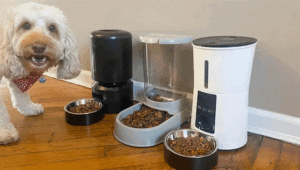
Smart feeders are another innovation in the space. They track eating patterns, portion sizes, and hydration levels. Changes in appetite or water intake can indicate health issues ranging from dental problems to kidney disease. By analyzing these patterns, smart pet devices provide critical insights that help owners act promptly, improving outcomes and overall wellness. Some models even allow remote feeding schedules, ensuring pets maintain consistent nutrition while their owners are away.
Also Read: How to Build Personal AI Assistants and Automate Specific Workflows
3. Connected Litter Boxes
Connected litter boxes have also made waves in pet health technology. They monitor frequency, consistency, and volume of waste, offering early detection of urinary or digestive problems. Owners receive real-time notifications when deviations occur, enabling quicker intervention. These smart pet devices are not just convenient—they are life-saving tools that help pets avoid serious conditions. Cats, in particular, benefit immensely, as subtle changes in litter habits often precede severe illness.

4. Interactive Smart Toys
Even smart toys are joining the preventative care revolution. Interactive devices track activity levels and behavioral changes, which can signal stress, joint pain, or cognitive decline. When a pet suddenly becomes less playful or avoids interaction, these smart pet devices alert owners to potential underlying health concerns. By monitoring behavior, owners can address issues before they affect quality of life. Engaging toys also provide mental stimulation, keeping pets healthier both physically and emotionally.

5. Advanced Smart Water Fountains
Finally, advanced smart water fountains are monitoring hydration in ways never seen before. Dehydration can be subtle but dangerous, especially in cats and older dogs. These devices measure water intake precisely and send notifications if consumption drops below healthy levels. Integrating these smart pet devices into daily routines ensures that hydration—and therefore overall health—is maintained consistently. Many models also filter water and maintain optimal temperature, adding convenience to health monitoring.

The growing adoption of smart pet devices is changing how pet owners approach healthcare. No longer are checkups the only opportunity for insight; continuous monitoring allows for proactive care. Early detection of illness can prevent serious complications, reduce veterinary costs, and extend the life of beloved animals. These devices represent a fusion of technology and compassion, making preventative care more precise than ever.
In 2026, smart pet devices are becoming indispensable for responsible pet owners. From wearable trackers and smart feeders to connected litter boxes, interactive toys, and advanced water fountains, these innovations provide real-time health data, early alerts, and actionable insights. Investing in smart pet devices is no longer just a convenience—it’s a proactive strategy to ensure pets lead healthier, happier lives. As technology continues to advance, the predictive power of these devices will only improve, giving owners unparalleled control over their pets’ well-being.