
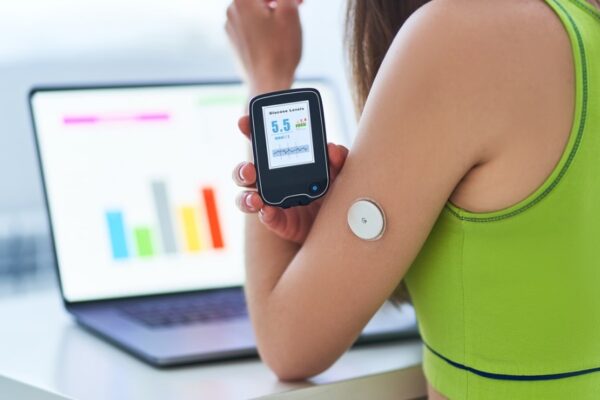

In today’s fast-paced world, staying ahead of health issues has never been more important. Imagine a device on your wrist that can alert you to potential illness before symptoms even appear. That’s the promise of modern wearable health technology, and it’s transforming how we approach preventive healthcare.
Wearable Health Technology
These devices are no longer just fitness trackers counting steps or monitoring sleep. Cutting-edge wearable health technology now measures vital signs, monitors heart rhythms, and tracks subtle physiological changes that can indicate the onset of illness. By collecting continuous data, these devices provide early warnings that were once only possible in a clinical setting.
One of the most exciting aspects of wearable health technology is its ability to detect early signs of conditions like infections, heart irregularities, or even chronic disease flare-ups. Researchers have found that changes in heart rate variability, skin temperature, and blood oxygen levels can serve as early indicators of illness. For example, a spike in resting heart rate combined with a small drop in oxygen saturation can signal a developing viral infection days before noticeable symptoms appear.
Beyond detection, wearable health technology empowers users to take immediate action. Notifications and insights provided by these devices encourage early consultations with healthcare professionals, prompt lifestyle adjustments, and adherence to preventive measures. This proactive approach can significantly reduce complications, shorten recovery times, and even save lives.
Several leading tech companies are investing heavily in this field. Advanced smartwatches and health bands now integrate AI algorithms that analyze your daily data, identifying patterns invisible to the naked eye. With continuous updates and cloud-based data analysis, wearable health technology is becoming smarter, more precise, and increasingly reliable.
Also Read: 5 Smart Pet Devices That Can Predict Illness Before It Happens
One real-world example of wearable health technology in action comes from the recent flu seasons. Devices were able to detect subtle changes in physiological markers, alerting users to potential illness before widespread symptoms developed. This early detection allowed people to rest, isolate if necessary, and seek medical advice, reducing the risk of contagion and improving recovery outcomes.
Another key advantage of wearable health technology is accessibility. Unlike hospital-based monitoring, these devices allow individuals to track their health from home, at work, or on the move. This democratization of health data helps people understand their bodies better and make informed decisions without waiting for a clinical visit.
Critics sometimes raise privacy concerns, questioning how health data is stored and used. Developers of wearable health technology emphasize encryption, secure storage, and strict privacy policies to ensure sensitive information remains protected. Transparency and user control remain central to the technology’s adoption and trust.
The future of wearable health technology looks even more promising. As sensors and AI algorithms evolve, devices may detect early signs of diabetes, cardiovascular disease, or neurological conditions, providing users with unprecedented insight into their health before traditional symptoms appear. Continuous monitoring could become a standard part of preventive healthcare worldwide.
The impact of wearable health technology is already being felt in workplaces, schools, and professional sports. Athletes use it to prevent injuries and optimize performance, while companies adopt devices to support employee wellness programs. Hospitals are exploring ways to integrate wearable data with electronic health records to enhance patient care. In every context, the technology emphasizes prevention and early intervention over reactive treatment.
With wearable health technology, healthcare is shifting from reactive to proactive. The days of waiting until you feel unwell to see a doctor may soon be a thing of the past. By combining real-time monitoring, AI-powered insights, and early illness detection, these devices are empowering people to take control of their health like never before.
In conclusion, wearable health technology is more than a gadget—it’s a revolution in personal health. By enabling early detection, supporting preventive measures, and providing actionable insights, it offers a proactive path to better health and wellbeing. As adoption grows, this technology could redefine preventive care, empower individuals, and transform how society responds to illness.