


Tokyo, a city where tradition meets innovation, is a visual feast for photography enthusiasts.
Across eight iconic destinations, from the energetic Shibuya Crossing to the serene Meiji Shrine, each spot offers a unique glimpse into Tokyo’s cultural richness and urban allure.
These handpicked locations beckon photographers to capture Tokyo’s essence through diverse landscapes and captivating moments. Let’s Read further to discover the best 8 places to take pictures in tokyo
The Best 8 Places To Take Pictures In Tokyo
Shibuya Crossing: A Hustle-Bustle of Urban Energy

Shibuya Crossing, often hailed as the world’s busiest pedestrian intersection, epitomizes Tokyo’s vibrant energy.
As traffic lights halt vehicles in all directions, a surge of humanity converges upon the scramble crossing, creating an awe-inspiring display of organized chaos.
It’s not just about snapping a photo; it’s about capturing the pulse of Tokyo’s urban rhythm.
The key to photographing Shibuya Crossing lies in seeking unique vantage points. Elevated spots in nearby buildings or the pedestrian overpass provide breathtaking views.
Experiment with long exposure techniques to portray the ebb and flow of the crowd as streaks of light paint the scene.
Alternatively, get amidst the flurry of motion, capturing the diverse expressions of people navigating this iconic crossing.
Sensō-ji Temple in Asakusa: Capturing Timeless Elegance

Stepping into the precincts of Sensō-ji Temple in Asakusa feels like traversing centuries back in time.
The majestic Kaminarimon Gate, adorned with a massive red lantern, welcomes visitors to Nakamise Street, a bustling avenue flanked by vendors offering traditional snacks and souvenirs.
Amidst the throngs of visitors, the temple grounds exude a serene allure, presenting myriad photo opportunities. The vibrant hues of the temple’s architecture against the azure sky create a striking contrast.
To craft timeless images, explore the intricate details of the pagoda or focus on the incense-filled ambiance to convey the spiritual essence of the site.
Embrace the juxtaposition of old and new by capturing both the serene rituals of worship and the animated curiosity of visitors exploring this cultural gem.
Shinjuku Gyoen National Garden: A Serene Oasis Amidst the Urban Jungle
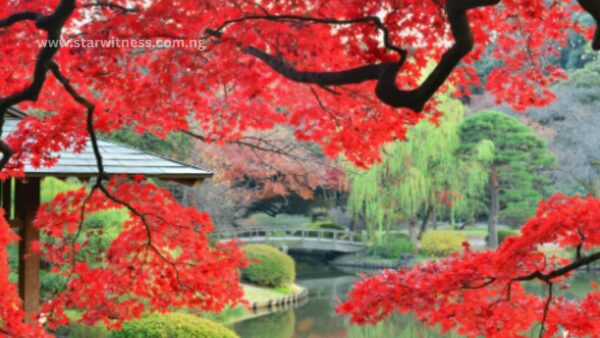
Nestled in the heart of Tokyo’s bustling Shinjuku district lies a tranquil escape—Shinjuku Gyoen National Garden.
This meticulously curated landscape showcases a harmonious blend of Japanese, English, and French gardening styles across its spacious grounds.
Throughout the year, Shinjuku Gyoen transforms with the changing seasons, offering diverse photography opportunities.
In spring, cherry blossoms paint the garden in delicate hues, drawing crowds seeking the ephemeral beauty of sakura.
Embrace the intimate moments of hanami (flower-viewing) picnics or focus on the intricate details of blossoms against the backdrop of towering skyscrapers.
As autumn arrives, the fiery foliage creates a mesmerizing canvas, inviting photographers to capture the vivid colors and reflective ponds, presenting nature’s symphony amidst an urban backdrop.
Tokyo Skytree: A Panoramic View of the Metropolis
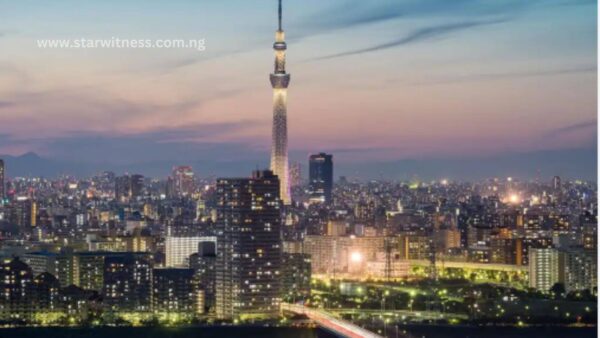
Standing tall as a modern icon, Tokyo Skytree offers a bird’s eye view of the sprawling metropolis.
Ascending to its observation decks, visitors are treated to a breathtaking panorama that stretches as far as the eye can see.
Timing is crucial when capturing Tokyo’s skyline from Skytree. Plan your visit during the golden hour or twilight to witness the city’s transformation as daylight fades into the dazzling city lights.
The glass windows might pose a challenge, so using a polarizing filter or shooting at an angle can reduce glare and reflections, allowing for clearer shots.
Experiment with various focal lengths to emphasize architectural marvels like the Tokyo Tower or capture the dynamic energy of the city’s urban landscape from different elevations.
Harajuku District: Colorful Fashion and Quirky Backdrops
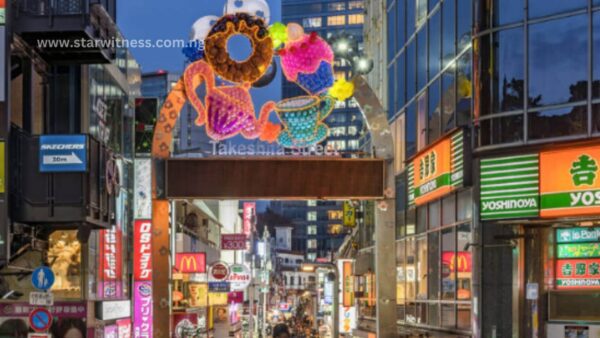
Harajuku, a district renowned for its vibrant fashion, eclectic culture, and artistic expression, offers a visual extravaganza for photographers.
Takeshita Street, the bustling heart of Harajuku, is a riot of colors, adorned with quirky shops, street art, and a constant flow of fashion-forward individuals.
Embrace the vibrancy of Harajuku by capturing the diverse and often extravagant street fashion. Engage with locals, letting their unique styles and personalities become focal points of your compositions.
Seek out hidden alleys adorned with vibrant murals and intriguing backdrops for captivating portraits. Play with contrasting elements—a fusion of kawaii (cute) culture and avant-garde fashion—to create visually arresting images that encapsulate Harajuku’s effervescent spirit.
Meiji Shrine: Tranquility Amidst Nature’s Majesty
Amidst the bustling cityscape of Tokyo lies the serene Meiji Shrine, nestled within a sprawling forest.
This sanctuary of peace and spirituality offers a tranquil respite, inviting photographers to capture its minimalist beauty and embrace the harmony between man-made structures and nature’s grandeur.
Meiji Shrine’s simplicity holds immense allure for photographers. The towering torii gates, expansive courtyard, and the forested path leading to the shrine provide ample opportunities for evocative compositions.
Opt for early mornings or late afternoons to revel in the quietude and capture the play of light filtering through the verdant canopy.
Focus on the stark contrasts—the wooden structures against the lush greenery or the serene reflections in the tranquil waters—to convey a sense of tranquility and reverence.
Odaiba: Futuristic Landscapes and Unique Architecture
Odaiba, an artificial island in Tokyo Bay, stands as a testament to Tokyo’s futuristic landscape.
As the sun sets, the neon lights and innovative architecture illuminate the skyline, transforming Odaiba into a mesmerizing visual spectacle.
Photographing Odaiba demands a fusion of technology and creativity. The Rainbow Bridge, symbolizing the fusion of tradition and modernity, offers a captivating subject against the backdrop of the cityscape.
TeamLab Borderless, an interactive digital art museum, provides endless opportunities for experimental and immersive photography. As night falls, capture the play of lights on the mirrored surfaces of futuristic buildings or experiment with long exposures to encapsulate the island’s luminous charm.
Yoyogi Park: A Lush Green Haven for Photography Enthusiasts
Nestled adjacent to Meiji Shrine lies Yoyogi Park, a sprawling green expanse that offers respite from Tokyo’s urban clamor. Throughout the year, the park’s changing seasons paint a diverse canvas for photography enthusiasts.
Yoyogi Park invites photographers to immerse themselves in nature’s bounty. During cherry blossom season, seek the mesmerizing beauty of sakura against the vibrant greenery or find intimate moments of visitors engaged in hanami celebrations.
As autumn arrives, capture the fiery foliage and its reflection in the park’s ponds, creating a striking contrast against the serene backdrop of the city skyline. Engage in candid photography, documenting the park-goers’ leisurely activities or the interaction between nature and human experience.
FAQS Related to Discover the Best 8 Places to Take Pictures in Tokyo
Are these photography spots suitable for all skill levels, including beginners?
Absolutely! The selected spots cater to photographers of all levels. Whether you’re a novice experimenting with your smartphone or a seasoned professional equipped with high-end gear, Tokyo’s iconic locations offer a plethora of opportunities.
From vibrant street scenes to serene temples and futuristic landscapes, these spots present diverse subjects and backdrops that can inspire and accommodate photographers at any level.
Moreover, many of these locations provide natural beauty or intriguing urban landscapes that lend themselves to stunning images without requiring advanced technical skills.
Beginners can capture the essence of Tokyo by focusing on composition, framing, and experimenting with different perspectives while more experienced photographers might delve into advanced techniques such as long exposures, creative compositions, or specialized equipment for unique shots.
How crowded are these places, and is it possible to take pictures without interruptions or crowds?
Tokyo is a bustling city, and popular photography spots often draw a fair share of visitors. However, the timing of your visit can significantly influence crowd levels and the opportunity for uninterrupted photography.
Early mornings, weekdays, and shoulder seasons (like autumn or late winter) generally offer fewer crowds, allowing for a more tranquil and conducive environment for photography.
For instance, visiting Sensō-ji Temple in Asakusa during the early hours of the day or Tokyo Skytree just before sunset might provide better chances to capture these iconic spots with fewer people.
Alternatively, exploring less popular corners or finding unique angles can help minimize interruptions caused by crowds and still yield captivating images.
Are these locations easily accessible, especially for tourists unfamiliar with Tokyo’s transportation system?
Yes, most of these photography spots are conveniently accessible via Tokyo’s efficient transportation network, making them tourist-friendly.
Places like Shibuya Crossing, Sensō-ji Temple, and Tokyo Skytree are situated in well-connected areas accessible by trains, subways, or buses. For instance, Shibuya Crossing is right outside Shibuya Station, one of Tokyo’s major transportation hubs.
Moreover, many of these landmarks are well-signposted in English, and there is ample information available in various languages for tourists.
Public transportation and navigation apps, such as Google Maps, offer detailed directions, making it relatively easy for tourists to navigate and explore these photography hotspots without much hassle.
What time of year is the best for photography in Tokyo?
Tokyo offers distinct seasonal beauty, each with its unique charm for photography. Spring, particularly during cherry blossom season (late March to early April), is incredibly popular due to the picturesque scenes created by blooming sakura trees.
This period paints the city in delicate shades of pink and provides fantastic opportunities for capturing the ephemeral beauty of cherry blossoms in various locations like Shinjuku Gyoen, Yoyogi Park, and Sensō-ji Temple.
Autumn (October to November) transforms Tokyo into a canvas of vibrant reds, oranges, and yellows as the foliage changes colors. This season presents stunning landscapes, especially in places like Shinjuku Gyoen and Yoyogi Park.
However, each season offers its unique photographic appeal. Winter can showcase Tokyo’s illuminations and nightscapes, while summer brings vibrant festivals and lively street scenes.
Therefore, the “best” time for photography in Tokyo largely depends on the photographer’s preferences and the type of scenes or atmospheres they aim to capture.
Conclusion
Tokyo, a city that pulsates with dynamic energy while embracing moments of tranquility, offers a multifaceted canvas for photography enthusiasts.
Exploring these eight iconic spots—each with its unique charm and visual allure—unveils Tokyo’s vibrant tapestry, celebrating its cultural heritage, modern innovations, and the symbiotic relationship between nature and urbanity.
Through the lens, capture Tokyo’s essence, immortalizing fleeting moments that encapsulate the city’s ever-evolving spirit. Embrace creativity