

Edet Ikotidem
Noise pollution is an increasingly pressing issue in urban areas worldwide, and Akwa Ibom State in Nigeria is no exception. The pervasive noise from churches, sales promoters, and vehicle horns is detrimental to the health and well-being of its residents.
Excessive noise can lead to a range of health issues, including hearing loss, sleep disturbances, cardiovascular problems, and stress.
Therefore, it is imperative for the Akwa Ibom State government to implement effective strategies to curtail noise pollution.
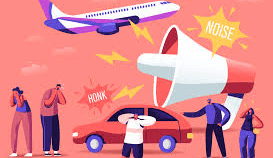
Rate of Noise Pollution
The foundation of any effort to reduce noise pollution must be robust regulatory measures. The Akwa Ibom State government should start by establishing clear and enforceable noise control regulations.
These regulations should set permissible noise levels for different zones—residential, commercial, and industrial—and specify acceptable noise levels at various times of the day.
The state can develop ordinances that detail specific decibel limits for daytime and nighttime noise in different zones. For instance, residential areas could have stricter limits compared to commercial or industrial zones.
For these regulations to be effective, there must be strict enforcement mechanisms in place.
This can include regular patrols by environmental health officers and the use of noise monitoring equipment to measure compliance.
Penalties for violators should be substantial enough to act as a deterrent. This could include fines, closure of establishments, or revocation of licenses for repeat offenders.
Public awareness and education are crucial components of a successful noise pollution control strategy. Many people may not be aware of the detrimental effects of noise pollution or the steps they can take to reduce it.
The government can launch educational campaigns that inform the public about the health risks associated with noise pollution and the benefits of a quieter environment. These campaigns can be conducted through various media channels, including radio, television, social media, and community outreach programs.
Organizing workshops and seminars for specific groups, such as church leaders, sales promoters, and drivers, can be particularly effective.
These sessions can provide practical advice on how to minimize noise. For instance, church leaders can be educated on soundproofing techniques, while drivers can be taught about the importance of minimizing horn use.
In many communities, noise from religious activities, particularly churches, is a significant source of noise pollution. While religious freedom is important, it must be balanced with the right of residents to a peaceful environment.
The government should engage in dialogue with religious leaders to find mutually acceptable solutions. This could involve agreeing on designated times for loud activities that do not disrupt the community, such as limiting loud services to weekends or specific hours.
Encouraging or mandating soundproofing in church buildings can significantly reduce the impact of noise. The government can provide subsidies or incentives for churches to install soundproofing materials.
Sales promoters often use loudspeakers and other amplification devices to attract customers, contributing significantly to urban noise pollution. Regulation of these activities is essential.
The government can introduce a permit system for the use of loudspeakers. Permits should specify acceptable noise levels and times of use. This can help to ensure that loud promotional activities do not occur during sensitive times, such as early mornings or late nights.
Creating designated zones where loud promotional activities are allowed can help contain the noise to specific areas. These zones can be situated away from residential neighborhoods to
Vehicle noise, particularly from horn blowing and loud exhaust systems, is another major contributor to urban noise pollution. The government can take several measures to address this issue.
Implementing regular vehicle inspections can help ensure that vehicles comply with noise emission standards. Vehicles that fail to meet these standards can be fined or taken off the road until they are repaired.
Establishing quiet zones where the use of vehicle horns is restricted can help reduce noise in sensitive areas such as near hospitals, schools, and residential neighborhoods. Signs can be posted to inform drivers of these restrictions, and fines can be imposed for violations.
The worst hit areas in Uyo are the plaza, Ikot Ekpene road and Willington Bassey Way which is close to the government house.. This areas should be devoid of noise
Also Read: The Dire Need for a Rail Line in Akwa Ibom
Installing noise barriers in high-traffic areas can reduce the impact of road noise on nearby residents. These barriers can be particularly effective in areas where other measures, such as quiet zones, are not feasible.
Effective noise pollution control requires ongoing monitoring and a mechanism for residents to report violations.
Setting up noise monitoring stations throughout the state can help track noise levels and identify problem areas. These stations can use sound level meters to continuously monitor noise and provide data for enforcement actions.
Establishing a public reporting system where residents can report noise pollution incidents can empower the community to take part in noise control efforts. This system could include a hotline, a mobile app, or an online portal where complaints can be filed. Prompt response to these reports can enhance community trust and cooperation.
Urban planning and infrastructure development play a crucial role in mitigating noise pollution. Incorporating noise-reducing designs in new developments can have a long-lasting impact.
Creating green spaces, such as parks and gardens, can act as natural sound barriers, absorbing noise and providing a quieter environment for residents. These spaces also offer recreational benefits and improve overall quality of life.
Building sound barriers and buffer zones around noisy areas, such as highways and industrial zones, can help contain noise. These barriers can include walls, berms, or dense vegetation.
Orienting buildings in a way that minimizes exposure to noise sources can be an effective strategy. For example, residential buildings can be designed with bedrooms facing away from major roads or other noise sources.
Successful noise pollution control requires collaboration with various stakeholders, including community leaders, business owners, and residents.
Engaging community leaders and residents in the planning and implementation of noise control measures can enhance their effectiveness. Community involvement can ensure that the measures are culturally appropriate and have local support.
Collaborating with businesses, particularly those that are major sources of noise, can lead to mutually beneficial solutions. For example, businesses can be encouraged to adopt quieter technologies or modify their operations to reduce noise.
By implementing and enforcing noise control regulations, promoting public awareness and education, regulating church activities, controlling sales promoters, addressing vehicle noise, establishing noise monitoring and reporting systems, encouraging noise-reducing infrastructure, and collaborating with stakeholders, the state government can create a healthier and more peaceful environment for its residents.
These measures will not only improve the quality of life for current residents but also ensure that Akwa Ibom State remains a vibrant and livable community for future generations.