
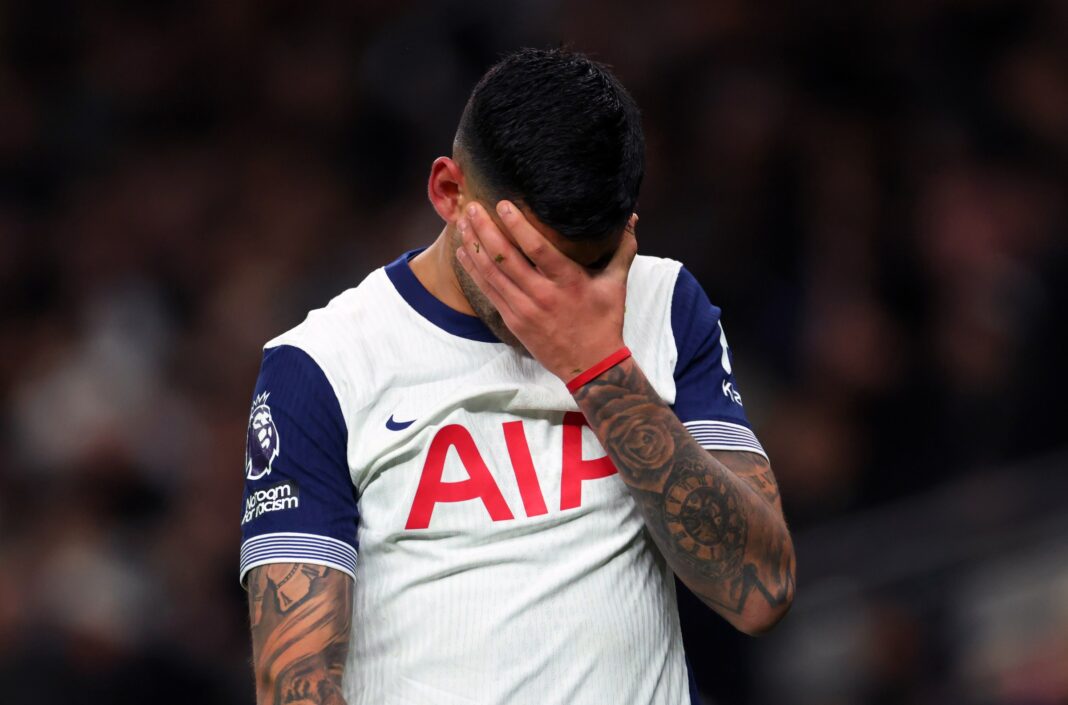

The Tottenham crisis has reached a new low after the sudden exit of manager Igor Tudor, who left Tottenham Hotspur F.C. after just 44 days in charge. His departure comes after a disastrous run of form that has pushed the club dangerously close to relegation, something few fans would have imagined at the start of the season.
Tottenham crisis
The Tottenham crisis is reflected clearly in the numbers. Under Tudor, the team played 7 matches and failed to win a single league game. Even worse, Tottenham are currently on a run of 6 consecutive defeats, the worst losing streak in the club’s recent history. These results have left them hovering just above the relegation zone, with pressure mounting every week
What makes the Tottenham crisis even more alarming is the instability in management. Before Tudor’s appointment, Thomas Frank was sacked after less than eight months in charge. That means Tottenham have gone through multiple managers in a single season, a clear sign that the problems go far beyond the dugout.
The Tottenham crisis is not just about poor results, it is about lack of direction. Frequent changes in coaching style have left players confused and inconsistent. A squad that once competed at the top level now looks disorganized, with no clear identity on the pitch.
Another major concern in the Tottenham crisis is the real threat of relegation. Analysts have warned that if results do not improve quickly, Tottenham could face their first drop from the Premier League in decades. Financially, this would be devastating, with estimates suggesting losses between £200 million and £250 million if relegation happens.
The Tottenham crisis is also affecting key players. Captain Son Heung-min has struggled to inspire the team during this difficult period, while injuries and poor form have further weakened the squad. Confidence across the team appears to be at an all time low.
- From a tactical perspective, the Tottenham crisis has exposed serious weaknesses. The team has struggled defensively, conceding goals too easily, while also lacking creativity in attack. Matches often slip away due to poor game management and costly mistakes.
World Cup Qualification Playoff Finals Bringing Intense Final Battles
Fans reacting to the Tottenham crisis have made their frustration clear. Social media has been filled with criticism of the club’s leadership and decision making. Many supporters believe the current situation is the result of years of poor planning rather than just one bad season.
The Tottenham crisis also raises questions about the club’s long term future. There are already discussions about whether former manager Mauricio Pochettino could return to stabilize the team. However, even that may not be enough if deeper structural issues are not addressed.
Looking ahead, the Tottenham crisis leaves very little room for error. The club must act quickly to appoint a new manager and stabilize performances on the pitch. Every remaining match now feels like a final, with survival becoming the main objective.
The Tottenham crisis could also have a major impact on the club’s summer transfer plans. If uncertainty continues, top players may consider leaving, while potential signings could hesitate to join a team without clear direction. This creates a dangerous cycle where poor results lead to instability, and instability makes it even harder to rebuild.
Another worrying angle in the Tottenham crisis is the pressure on the next manager. Whoever takes over will not only need to improve results immediately but also restore confidence in the squad and reconnect with frustrated fans. That is a massive task, especially in a situation where expectations remain high despite current struggles
In the end, the Tottenham crisis is a powerful reminder of how quickly things can collapse in football. A club that once competed for top honors is now fighting to avoid disaster. The next few weeks will determine whether Tottenham can recover or fall into one of the biggest shocks in Premier League history