

Gabriel Uche
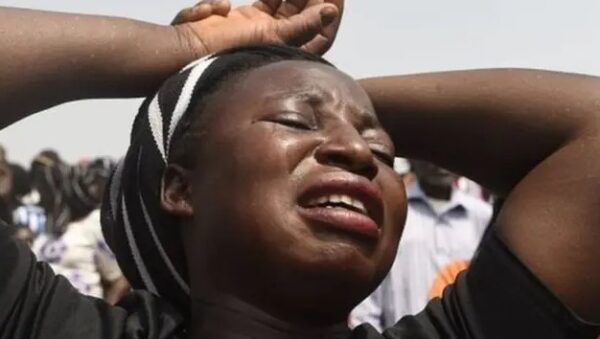
Another dark chapter has been written in the long-running Benue State herdsmen crisis. On Saturday, June 14, 2025, suspected Fulani herdsmen launched a brutal and coordinated attack on the farming communities of Yelewata and Daudu in Guma Local Government Area, Benue State. The deadly ambush, which coincided with Yelewata’s market day, left over 200 villagers feared dead, making it one of the most horrific massacres in recent times.
Benue State Herdsmen Kill Over 200
Eyewitnesses report that heavily armed Fulani militia stormed Yelewata around mid-morning, opening fire on unarmed civilians at the crowded market. Panic and confusion spread quickly, with traders and farmers running in different directions, many falling to bullets and machete blows. Before the community could recover, the attackers moved to Daudu, where they continued the slaughter. Homes were burned to the ground, food barns were destroyed, and entire families were wiped out.
The Yelewata attack is yet another violent incident in the escalating Benue herdsmen crisis, which has persisted for over a decade. Guma LGA, the epicenter of this tragedy, has witnessed repeated attacks by herdsmen in Benue State, leading to thousands of deaths, mass displacement, and the destruction of rural livelihoods. Survivors say the attackers were dressed in black, some wearing military gear, and moved in coordinated groups on motorcycles.
Unofficial figures from community leaders and humanitarian workers suggest the death toll could be well over 200 people, although the police are yet to release an official count. Rescue efforts are ongoing, but the true scale of the damage may not be known for days. Many residents are still missing, and several bodies have been recovered from surrounding bushes and shallow wells.
This latest Benue State herdsmen attack underscores the deepening insecurity in Nigeria’s Middle Belt. The conflict, rooted in competition over land, grazing routes, and ethnic differences, has evolved into organized and recurring violence. Despite the state’s Anti-Open Grazing Law and the formation of the Benue State Community Volunteer Guards, these rural communities remain defenseless against well-armed militias.
Also Read: U.S. Warns Iran Amid Israel Conflict: “Don’t Touch Our Soldiers or Interests”
Beyond the immediate loss of lives, the socio-economic effects of the Daudu community killings are staggering. With farms abandoned and markets deserted, Benue’s agricultural economy—one of Nigeria’s major food producers—has taken another blow. A 2024 study revealed that the Benue herdsmen crisis has already caused a 0.211% drop in crop production and a 0.311% loss in livestock output in Guma alone. Food security is now a major concern, and the state risks famine if the violence continues.
Benue residents and leaders have condemned the silence of the federal government, demanding immediate military intervention. While the Benue State government has called for calm, citizens are urging for more proactive measures, including:
-
Deployment of special forces to vulnerable communities
-
Full enforcement of the anti-open grazing law
-
Provision of relief for displaced families
-
Establishment of IDP camps with healthcare support
-
A national security summit to address the herder-farmer crisis
The Yelewata and Daudu killings have also triggered global concern. International organizations are beginning to take note of what many are now calling a slow genocide in Nigeria’s farming communities. Rights groups are calling for investigations into the attacks and accountability for those involved in the killings.
This massacre is a painful reminder of the failure to protect rural Nigerians. As the State buries its dead, the cries of the victims echo louder than ever: justice, safety, and peace. The Nigerian government must rise to the challenge or risk further eroding public trust and national unity.
The Benue herdsmen attacks are no longer isolated events—they are part of a systemic pattern of neglect, poor policing, and unresolved ethnic tensions. If nothing changes, more communities will fall, more families will grieve, and the cycle of bloodshed will continue.