


You work harder, earn more, and climb the ladder—yet your wallet still feels light. If your income has grown but your savings haven’t, the problem likely isn’t your paycheck. It’s your mindset. The Psychology of Money explains why so many people remain broke despite earning more, and the truth is both uncomfortable and empowering.
Psychology of Money Secrets
Money isn’t just numbers—it’s emotion, habit, and belief. Most people think financial success is about budgeting and income, but in reality, it’s about how you think. The Psychology of Money shows that your early experiences, fears, and subconscious behaviors shape how you use or misuse money today.

Take lifestyle inflation, for example. As your income rises, so do your expenses. You buy nicer clothes, upgrade your phone, move to a better apartment—all in the name of progress. But soon your spending catches up with your earnings, leaving you no better off than before. This isn’t a math problem—it’s a mindset issue. The Psychology of Money reveals that many people subconsciously match their lifestyle to their income out of habit, not necessity.
Then there’s emotional spending. Stress, boredom, and even comparison on social media trigger impulsive purchases. Whether it’s late-night online shopping or buying things you don’t need to “feel successful,” your emotions are quietly controlling your wallet. According to the Psychology of Money, decisions made to chase status or comfort are often the ones that drain your finances the fastest.
Fear also plays a major role in financial behavior. The fear of missing out makes people jump into risky investments. The fear of appearing broke pushes others to spend beyond their means. And the fear of losing money keeps some people stuck in poverty mindsets, afraid to invest, take smart risks, or even save. The Psychology of Money teaches us that overcoming these fears starts with awareness and intentionality.
Another hidden factor is financial identity. If you’ve always believed you’re “bad with money,” that belief will sabotage you—even if your income increases. It becomes a self-fulfilling prophecy. You’ll spend without thinking, avoid saving, or delay making wise choices because deep down, you don’t see yourself as financially successful. The Psychology of Money encourages you to shift your identity—to believe you’re capable of growth and control.
Also Read: Crypto and Stocks in 2025: Where Young Investors Should Really Put Their Money
To break the cycle, you need to start with financial self-awareness. Track not just what you spend, but why you spend. Are you buying to impress others? To feel better? To avoid discomfort? Once you recognize your triggers, you can begin to change your patterns. This is where the Psychology of Money becomes a powerful tool—it teaches you to make money decisions based on purpose, not emotion.

Set goals that reflect your values. Instead of vague goals like “save more,” go for “I want to save ₦500,000 to invest in a business” or “I want to clear my debt within 6 months.” Give your money a direction. The clearer the goal, the easier it is to align your behavior with it. The Psychology of Money emphasizes that clarity and intention are more powerful than hustle alone.
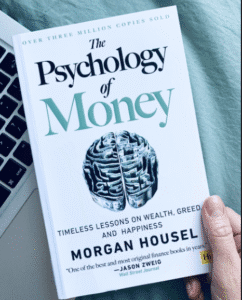
Surround yourself with positive money influences. Follow creators, read blogs, and engage with books like The Psychology of Money by Morgan Housel. Consume content that empowers your financial mindset instead of feeding your fears or FOMO. Environment matters when you’re rewiring financial habits.
Finally, be patient with yourself. Changing your relationship with money doesn’t happen overnight. It takes time to unlearn bad habits, overcome emotional patterns, and develop financial confidence. But every step forward counts. The Psychology of Money reminds us that wealth is built slowly—with intention, discipline, and self-control.
So if you’re still broke despite earning more, it’s time to stop blaming your income and start examining your mindset. Because the truth is, money isn’t just about how much you make—it’s about how you think. And once you master the Psychology of Money, everything else starts to fall into place.