
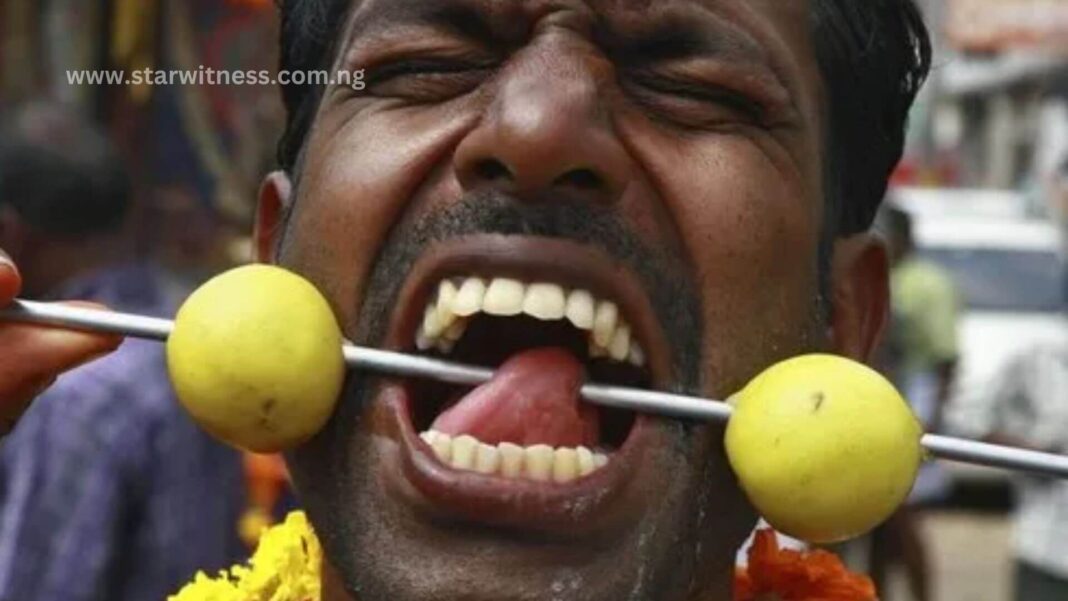

Have you ever wondered about the unusual cultural traditions and their origins in the world?
The mosaic of global cultures is adorned with a spectrum of captivating customs, each reflecting the rich history, beliefs, and values of diverse societies.
Within this vibrant tapestry lie 13 lesser-known yet captivating traditions, each a testament to human creativity, ancestral wisdom, and the enduring spirit of communities.
13 unusual cultural traditions and their origins in the world
1. Holi Festival in India
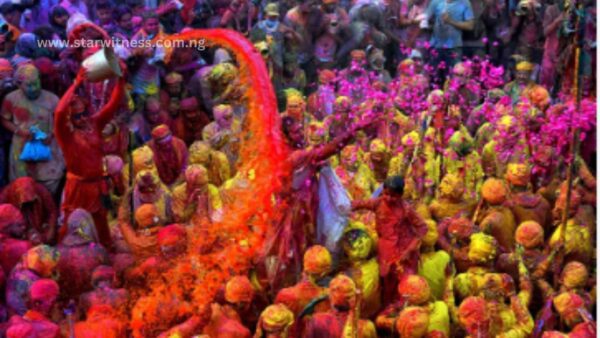
Originating from ancient Hindu mythology, Holi celebrates the divine love between Radha and Krishna. Beyond its colorful spectacle, each hue holds symbolic significance: red for love, green for spring, blue for Krishna, and more.
The festival fosters unity, breaking down barriers of caste and creed, marking a time of forgiveness and renewal.
2. Cheese Rolling Festival in England

Nestled in Gloucestershire’s countryside, the Cheese Rolling Festival traces its origins to pre-Christian times.
The rolling of a heavy cheese wheel down a steep hill symbolizes the transition from winter to spring, echoing fertility rites. The event unites locals, fostering a sense of camaraderie and community spirit.
3. The Day of the Dead in Mexico

The colorful and poignant Day of the Dead celebrates life and honors departed loved ones. Blending indigenous Aztec rituals with Catholicism, families create ofrendas (altars) adorned with marigolds, sugar skulls, and the deceased’s favorite foods.
Through joyful remembrance, the living and the dead are believed to reunite in spirit.
4. La Tomatina Festival in Spain
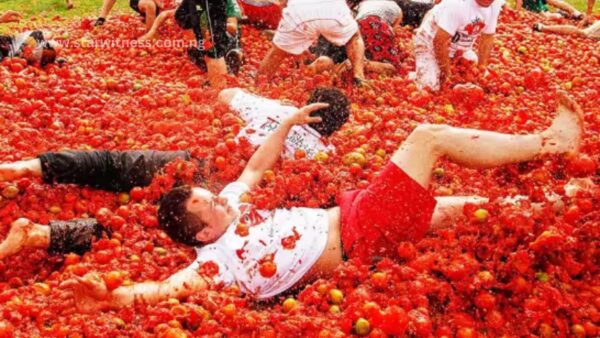
The La Tomatina Festival in Buñol traces its roots to a playful food fight among friends in the 1940s.
Today, it symbolizes camaraderie and communal joy. The throwing of tomatoes signifies a release of tension and the embrace of spontaneity, fostering a collective sense of freedom.
5. Onbashira Festival in Japan
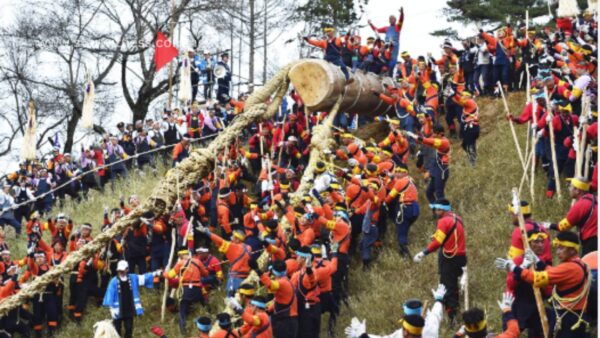
Dating back over 1,200 years, the Onbashira Festival merges spiritual reverence with physical endurance.
The perilous act of riding enormous logs down steep slopes embodies the deep respect for nature and the commitment to shrine renovation, reinforcing the community’s unity and ties to ancient traditions.
6. The Bun Festival in Hong Kong
Honoring Chinese deities, the Bun Festival in Hong Kong features towering bun-covered towers and Taoist rituals.
Rooted in local folklore, the festival symbolizes warding off evil spirits and seeking blessings. It highlights the island’s cultural vibrancy, fostering solidarity among its inhabitants.
7. The Red-Carpet Funeral in Madagascar
In Madagascar, the Red-Carpet Funeral, or Famadihana, celebrates the lives of ancestors. Families unearth the remains of their loved ones, rewrap them in new shrouds, and dance joyously, reaffirming familial bonds.
This act symbolizes respect for the deceased and the continuation of family lineage.
8. The Thaipusam Festival in Malaysia
The Thaipusam Festival in Malaysia is an awe-inspiring display of devotion. Devotees undertake extreme acts of penance, carrying kavadis adorned with spikes and milk pots as offerings to Lord Murugan.
The piercing signifies spiritual cleansing and a quest for enlightenment.
9. The Walking of the Dead in Indonesia
Indonesia’s Ma’nene ritual is a practice of honoring ancestors. Families exhume the bodies of the deceased, clean and dress them, affirming the connection between the living and the departed.
This act fosters a sense of continuity and respect for ancestral heritage.
10. The Antzar Eguna Festival in Spain
The Antzar Eguna Festival celebrates Basque heritage through the exhilarating tradition of horseback goose-chasing.
This ancient custom symbolizes bravery and agility, honoring local history and instilling pride in the community’s equestrian prowess.
11. The Cooper’s Hill Cheese Rolling and Wake in England
The Cooper’s Hill Cheese Rolling event, shrouded in mystery regarding its origins, serves as a unifying tradition.
Despite its daring downhill chase, it exemplifies the community’s resilience, fostering a sense of belonging and shared heritage.
12. The Tinku Fighting Festival in Bolivia
The Tinku Fighting Festival honors Pachamama, the Earth Goddess, through ritualistic fights symbolizing the balance between humans and nature.
This ancestral practice reinforces communal bonds and underscores the interconnectedness of all living beings.
13. The Wife-Carrying Championship in Finland
In Finland, the Wife-Carrying Championship began as a test of strength during historical bride raids.
Today, couples participate in this humorous race that emphasizes teamwork, trust, and shared laughter,
Highlighting the Evolving Nature of Traditions.
Origins and Symbolism
These traditions, steeped in history and symbolism, transcend time, connecting communities to their past while evolving in the present.
Each custom, whether rooted in mythology, folklore, or societal needs, carries profound symbolic meanings that resonate within their cultural contexts.
Impact and Significance
Beyond their spectacle and peculiarity, these traditions play pivotal roles in preserving cultural identity, fostering community bonds, and imparting life lessons.
They serve as cultural anchors, preserving heritage amid globalization’s relentless tide, ensuring the continuity of ancestral wisdom.
FAQs Related to Unusual Cultural Traditions and Their Origins in the World
What are some unfamiliar cultures?
Numerous lesser-known cultures exist around the world that may be unfamiliar to many. Some examples include:
Nenets Culture: The Nenets people of Siberia, Russia, are semi-nomadic reindeer herders with unique traditions and a deep connection to the Arctic environment.
Trobriand Islanders: Indigenous to Papua New Guinea, the Trobriand Islanders have distinct social customs, notably their matrilineal society and ceremonial rituals.
Moken People: The Moken, also known as sea gypsies, reside in Southeast Asia and have a unique maritime culture, living in harmony with the sea.
Evenki Culture: This indigenous group in Russia, Mongolia, and China has preserved shamanic traditions and a nomadic way of life.
What is the rarest culture?
Determining the rarest culture can be subjective and challenging due to the vast diversity of cultures globally.
Some cultures might be considered rare due to their dwindling populations, isolation, or the threat of assimilation. However, singling out one specific culture as the “rarest” can be difficult as many lesser-known cultures face different degrees of obscurity or endangerment.
What are the oldest traditions in the world?
Several ancient traditions persist to this day, carrying millennia-old legacies. Some of the oldest traditions in the world include:
Chinese New Year: Dating back over 3,000 years, this celebration marks the lunar New Year and is steeped in ancient rituals and symbolism.
Holi Festival in India: Rooted in Hindu mythology, Holi is an ancient festival celebrated for over a thousand years, symbolizing the victory of good over evil and the arrival of spring.
Samhain: Originating from Celtic traditions, Samhain is considered the precursor to Halloween, marking the end of the harvest season and the beginning of winter.
Summer Solstice Celebrations: Various cultures worldwide, such as Stonehenge in England and indigenous cultures like the Inca and Hopi, have celebrated the summer solstice for millennia, honoring the sun and its significance.
What is the richest culture?
Determining the “richest” culture is subjective and multifaceted as richness can encompass various aspects like history, art, traditions, languages, and societal values. Several cultures are often regarded as exceptionally rich:
Indian Culture: With a vast and diverse heritage spanning thousands of years, India’s culture boasts rich traditions, art, music, dance, spirituality, and a myriad of languages and cuisines.
Chinese Culture: China’s culture is immensely rich, encompassing a long history, profound philosophical traditions, art forms, calligraphy, martial arts, festivals, and culinary diversity.
Greek Culture: Renowned for its contributions to philosophy, literature, architecture, and democracy, ancient Greek culture has had a significant impact on Western civilization.
Egyptian Culture: Ancient Egyptian civilization left an indelible mark with its monumental architecture, hieroglyphic writing, religious beliefs, and intricate burial practices, showcasing a rich cultural legacy.
Each culture possesses unique elements that contribute to its richness, making it challenging to pinpoint a single culture as the “richest” due to the subjective nature of the term.
Conclusion
The allure of these 13 unusual cultural traditions is not just their quirkiness but the stories they tell, weaving a vibrant tapestry of humanity’s diverse expressions.
Embracing these traditions nurtures understanding, appreciation, and respect for the richness of global cultural heritage, painting a world where diversity thrives in harmony.