
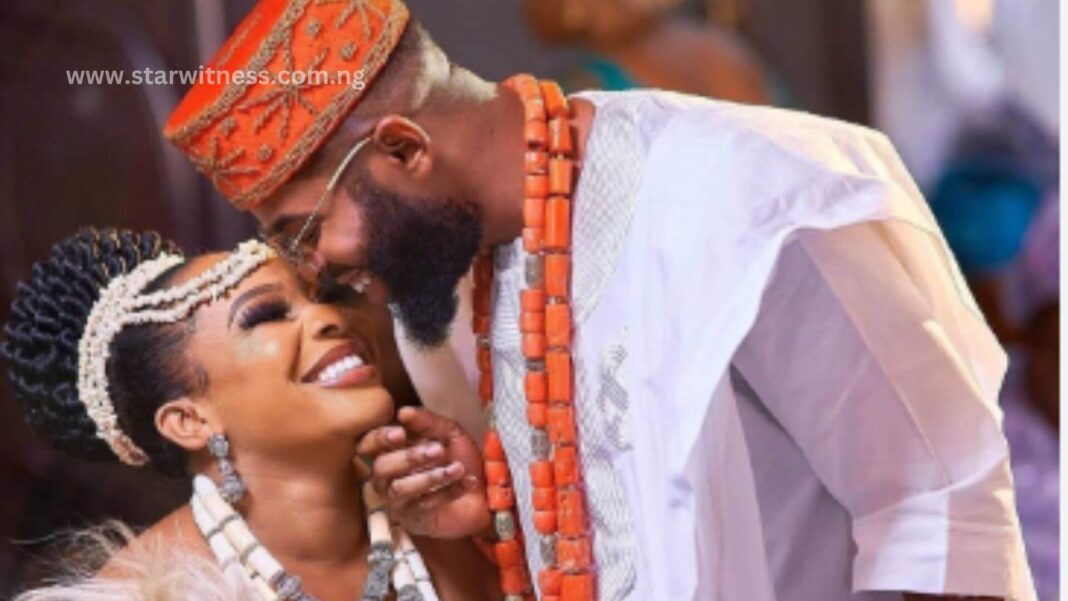

Do you know the different Wedding traditions in Nigeria?
Nigeria, a land pulsating with a multitude of cultures and traditions, encapsulates the essence of diversity in its weddings.
These ceremonies are more than mere unions; they are a confluence of ancient customs, vibrant rituals, and an embodiment of heritage.
Significance of Weddings in Nigerian Culture
Weddings are the cornerstone of Nigerian society, representing a union not just between two individuals but between families and communities.
They stand as a testament to the respect for traditions and values passed down through generations.
Pre-Wedding Traditions
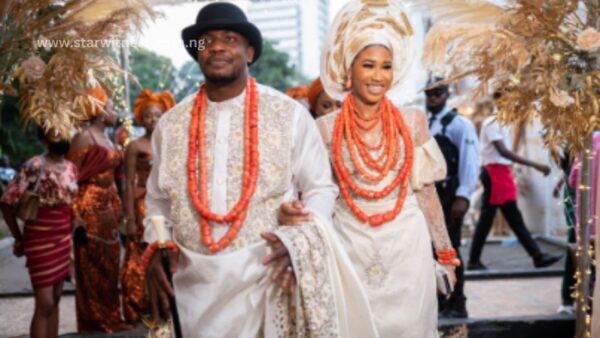
Marriage Proposal and Introduction
In Nigeria, marriage begins with a profound ritual: the suitor’s proposal. It’s a moment of great significance, often involving the groom’s family seeking permission from the bride’s family to express their intentions.
Engagement Ceremony
The engagement, known as the “Introduction,” is a festive occasion where families convene, marking the formal acknowledgment and acceptance of the impending union.
This event signifies unity and creates a bridge between the families.
Bride Price Negotiations
The negotiation of the bride price, known as “bride wealth” in some cultures, is a revered custom. It’s not a transaction but a gesture symbolizing the groom’s commitment, respect, and appreciation for the bride’s family.
Traditional Preparations and Rituals
Days leading up to the wedding are steeped in tradition and rituals. This period involves purification ceremonies, blessings from elders, and the observance of cultural practices that vary across the diverse ethnic groups of Nigeria.
Traditional Nigerian Wedding Attire
The kaleidoscope of traditional Nigerian attire mesmerizes with its diversity. The Yoruba flaunt the exquisite ‘aso oke,’ the Igbo dazzle in their ‘George’ fabric, and the Hausa radiate elegance in their ‘zanna’ attire, each reflecting distinct cultural identities.
Gele and Headgear
The gele, an intricately wrapped headgear worn by women, isn’t just a fashion statement; it’s a symbol of grace, elegance, and pride in one’s heritage.
Its intricate patterns and styles vary across regions, adding a touch of uniqueness to each bride’s ensemble.
Beadworks and Accessories
Beadwork intricacies and accessories hold deep cultural significance. They symbolize various aspects of life, from fertility and prosperity to social status and heritage, contributing to the richness of the wedding attire.
Symbolism in Dressing
Every detail of the wedding attire carries a story. The colors, motifs, and embroidery on the fabrics hold symbolic meanings, representing aspirations, values, and cultural significance ingrained in each piece of clothing.
Ceremonial Customs
Absolutely! Let’s further delve into the intricate details, symbolism, and the profound significance behind the traditional wedding attires and customs of the Igbo, Yoruba, and Hausa cultures in Nigeria:
Igbo Traditional Wedding Attire
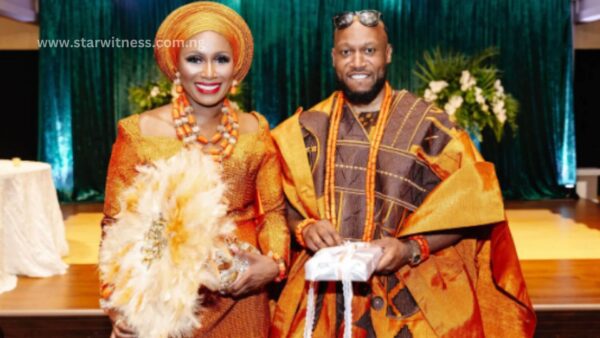
Igbo Bridal Attire
The Igbo bride’s attire is a masterpiece of cultural heritage. The ‘George’ wrapper, often in vibrant colors and adorned with intricate patterns, is elegantly draped around her waist, symbolizing her beauty and grace.
The blouse, meticulously tailored with embroidery and designs, complements the wrapper, exuding elegance and cultural pride.
The coral beads, known as “Igba Nkwu Nwanyi,” hold deep significance. Adorning the bride’s neck, wrists, and ankles, they symbolize prosperity, fertility, and status within the community.
The “Ichafu” headgear, intricately wrapped in various styles, adds a regal touch to the bride’s ensemble, signifying her royalty and dignity.
Groom’s Attire
The Igbo groom’s attire, the ‘Isiagu’ outfit, speaks volumes about tradition and masculinity. The ‘Isiagu,’ adorned with symbolic patterns and motifs, symbolizes bravery and ancestral heritage.
Paired with trousers or a wrapper and often accessorized with a ceremonial staff or walking stick, the outfit radiates cultural pride and dignity.
Ceremonial Customs and Rites
During the Igbo wedding ceremony, the ritual of presenting the kola nut to guests marks the beginning of festivities.
The kola nut, shared among guests, embodies hospitality and unity, fostering a sense of togetherness and community bond.
Traditional rites like the “Igba Nkwu” involve prayers and blessings from elders, reinforcing the sanctity of the union.
The breaking of the kola nut by the couple symbolizes the beginning of their marital journey, invoking ancestral blessings and unity between the families.
Yoruba Traditional Wedding
Yoruba Bridal Attire
The Yoruba bride’s attire, the ‘aso oke,’ is a masterpiece of handwoven fabric adorned with intricate designs and patterns.
The ‘aso oke,’ draped elegantly around her body, symbolizes the richness of Yoruba culture and heritage.
The ‘gele’ headwrap, meticulously styled and embellished, adds grace and allure to her appearance, reflecting her beauty and pride in her ancestry.
Beads play a pivotal role in Yoruba weddings. The bride’s accessories, from necklaces and bracelets to earrings, are adorned with beads of various colors and sizes, signifying beauty, wealth, and cultural identity.
Each bead is meticulously chosen, reflecting the family’s heritage and traditions.
Groom’s Attire
The Yoruba groom’s attire, often the ‘agbada’ or ‘buba and sokoto,’ is a testament to cultural elegance and sophistication.
The ‘agbada,’ embellished with intricate embroidery and designs, symbolizes nobility and affluence.
Paired with a ‘fila’ (cap) and ‘buba’ (shirt), the groom’s attire exudes regal charm and represents his cultural roots.
Ceremonial Customs and Rites
Yoruba weddings commence with the bride’s formal introduction, where prayers and blessings from family elders sanctify the union.
The pouring of libations and the breaking of the kola nut symbolize respect for ancestors and unity between the families, emphasizing the importance of tradition and heritage.
A significant ritual is the ‘Tying of the Knot,’ where the bride’s hand is symbolically tied to the groom’s, signifying their commitment and unity in marriage.
Traditional songs, dances, and proverbs are woven into the ceremony, preserving the cultural richness of the Yoruba people.
Hausa Traditional Wedding
Hausa Bridal Attire
The Hausa bride’s attire, the ‘zanna’ or ‘zani’ dress, is a spectacle of colors and intricate embroidery.
The ‘zanna,’ often in bright hues and adorned with elaborate designs, reflects the bride’s cultural heritage and elegance.
Paired with ornate veils and headscarves, the attire exudes grace and modesty.
Hausa weddings incorporate elaborate jewelry as essential accessories. The bride’s necklaces, bracelets, and earrings, embellished with intricate details, signify beauty, fertility, and blessings for the couple’s future.
The ‘henna’ designs on her hands and feet are a symbol of auspiciousness and adornment.
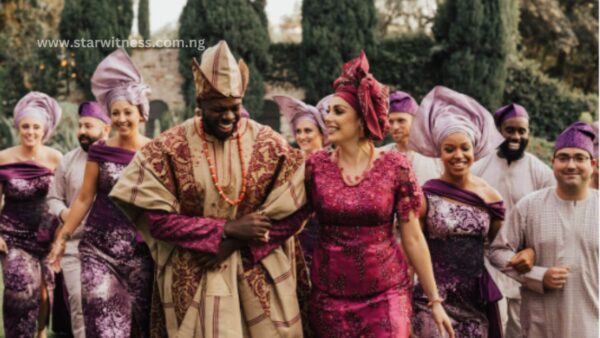
Groom’s Attire
The Hausa groom’s attire, the ‘babariga’ or ‘dashiki,’ showcases traditional elegance and style.
The ‘babariga,’ adorned with detailed embroidery and designs, represents masculinity and cultural heritage. Paired with trousers and a ‘fula’ (cap), the attire reflects dignity and pride in Hausa traditions.
Ceremonial Customs and Rites
Hausa weddings are often marked by the grand Durbar procession, a regal display of horsemanship and cultural exhibitions, symbolizing power and prestige.
The ‘Kayan Zance’ or ‘Henna Night’ precedes the wedding, where the bride is adorned with henna, celebrated by female relatives, and blessed for a prosperous marriage.
The Nikkai ceremony is the focal point, where the marriage contract (Mahr) is agreed upon and signed in the presence of witnesses.
The Islamic scholar’s prayers sanctify the union, emphasizing the couple’s commitment and religious bond, showcasing the blend of tradition and religious significance in Hausa weddings.
Traditional Nigerian Wedding Music
Music is the heartbeat of Nigerian weddings. The rhythmic beats of the talking drum, the melodies of traditional instruments like the “gangan,” and the harmonious tunes of local songs create an ambiance of joy and celebration.
Cultural Dances and Performances
Nigerian weddings come alive with vibrant cultural dances. The energetic Kpanlogo, the graceful Ekombi, and the lively Bata dance are just a glimpse of the diverse performances that captivate guests and celebrate heritage.
Role of Drumming and Musical Instruments
Drums and musical instruments play a pivotal role, setting the rhythm and tone of the celebrations. The resounding beats echo the cultural identity of various ethnic groups, adding a sense of authenticity to the festivities.
Traditional Nigerian Wedding Foods
Nigerian weddings are a culinary extravaganza. Delicacies like jollof rice, pounded yam with egusi soup, and the spicy suya tantalize taste buds, offering a glimpse into the rich and diverse Nigerian cuisine.
Symbolism and Significance of Certain Dishes
Certain dishes hold symbolic meanings. The kolanut, presented to guests, signifies respect, unity, and hospitality, while palm wine represents fertility and celebration.
Feasting and Sharing Meals
The act of communal dining embodies unity and togetherness. Guests come together to feast, share stories, and forge bonds, emphasizing the communal spirit deeply ingrained in Nigerian culture.
Fusion of Tradition and Contemporary Trends
In the modern era, Nigerian weddings witness a fusion of traditional practices with contemporary elements.
Couples embrace new ideas while keeping the essence of their heritage intact.
Impact of Globalization on Nigerian Weddings
Globalization has brought in new trends and technologies, influencing wedding planning, fashion choices, entertainment, and even the documentation of these celebrations through photography and videography.
Importance of Maintaining Cultural Heritage
Nigerian wedding traditions are the threads that weave the fabric of cultural heritage. Preserving these customs ensures the passage of traditions to future generations, fostering a sense of pride and identity.
Symbolic Meaning Behind Various Rituals
Every ritual in a Nigerian wedding tells a story. Whether it’s the pouring of libations, the exchange of gifts, or the breaking of a kola nut, each gesture carries profound symbolism, reinforcing values and beliefs.
Unity and Community Celebration
Beyond the union of two individuals, Nigerian weddings celebrate unity, not just between families but among entire communities. They epitomize inclusivity, joy, and the beauty of shared traditions.
Regional Variations
Contrasts and Similarities Across Nigerian Regions
Nigeria’s diverse regions offer a mosaic of wedding traditions. While practices may vary, the underlying principles of love, respect, and unity resonate across ethnic boundaries.
Each ethnic group contributes distinctive elements to Nigerian weddings. From the flamboyant ceremonies of the Yoruba to the elaborate customs of the Igbo and the majestic traditions of the Hausa, each reflects the richness of its cultural heritage.
Embracing and celebrating these differences highlight the beauty of Nigeria’s cultural diversity. It emphasizes the need to honor and respect varied traditions, fostering unity amid diversity.
FAQs Related to Wedding Traditions In Nigeria
What are the traditions of a Nigerian wedding?
Nigerian weddings are characterized by a rich tapestry of traditions, customs, and ceremonies that vary among the diverse ethnic groups across the country. Some prevalent traditions in Nigerian weddings include:
- Marriage Proposal and Introduction: The groom’s family formally expresses their intentions to marry the bride, often involving elders and family representatives in discussions.
- Engagement Ceremony: Known as the “Introduction,” families of the couple officially meet, exchange gifts, and formalize the engagement.
- Bride Price Negotiations: Negotiations between the groom’s family and the bride’s family about the bride price, symbolizing respect and appreciation.
- Traditional Preparations and Rituals: Days leading up to the wedding involve rituals, prayers, and customs specific to each ethnic group.
- Attire and Adornments: The bride and groom adorn themselves in traditional attire, often showcasing vibrant colors, intricate designs, and symbolic accessories.
- Ceremonial Customs: Different ethnic groups have specific customs, such as the pouring of libations, breaking of the kola nut, and symbolic gestures signifying unity and blessings.
- Music, Dance, and Entertainment: Traditional music, dance performances, and cultural displays play a significant role, infusing joy and celebration into the ceremonies.
- Culinary Delights: Weddings are marked by sumptuous feasts, featuring traditional Nigerian foods and dishes symbolic of prosperity and celebration.
- Family and Community Involvement: Nigerian weddings are a community affair, emphasizing the importance of family, community, and social connections.
What are the different types of wedding ceremonies in Nigeria?
Nigeria boasts diverse ethnic groups, each with its unique wedding customs and ceremonies. Here are some of the major types of wedding ceremonies observed across Nigeria:
- Igbo Traditional Wedding (Igba Nkwu): Igbo weddings feature colorful ceremonies like the presentation of the kola nut, the tying of the gele for the bride, and traditional rites emphasizing ancestral blessings and unity.
- Yoruba Traditional Wedding (Igbeyawo): Yoruba weddings involve the ‘Tying of the Knot’ ceremony, prayers, and cultural rites such as pouring libations, breaking the kola nut, and tying the bride’s hand to the groom’s.
- Hausa Traditional Wedding (Biki or Fatihah): Hausa weddings showcase grand Durbar processions, Henna nights, and the Nikkai ceremony, emphasizing Islamic traditions, cultural displays, and regal celebrations.
- Cross-Cultural and Modern Weddings: With globalization, there’s an emergence of cross-cultural weddings blending traditional customs with modern influences. These weddings incorporate elements from different ethnic groups or global trends while retaining core traditional values.
- Court and Church Weddings: Some Nigerians opt for civil or church weddings, influenced by Western practices, where legal or religious ceremonies take precedence, often followed by cultural celebrations.
Conclusion
Nigerian weddings are a harmonious blend of tradition and festivity, symbolizing the essence of a nation brimming with cultural richness.
They embody the spirit of unity, love, and a shared heritage that transcends individual differences.
In preserving and embracing these timeless traditions, Nigeria continues to weave its cultural tapestry, ensuring that its heritage remains vibrant and cherished