

Edet Ikotidem
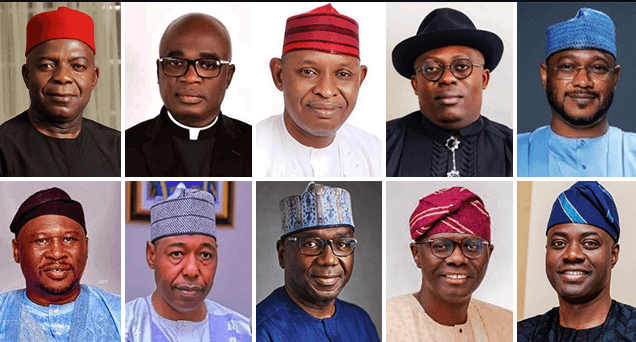
Recently, Nigerian governors have come under scrutiny after reportedly receiving 570 billion naira from the federal government without providing details on how these funds are being utilized.
This silence has prompted to believe that the governors are insensitive to the plight of Nigerians
Moreover when the Senate President Godswill Akpabio, claimed that state governors received an additional 30 billion naira from the Federal Inland Revenue Service to address inflation.
Nigerian Governors Keep Silence After Receiving N570b
This claim was strongly refuted by Oyo State Governor Seyi Makinde, who stated that no such funds were received and emphasized that all revenues are distributed through the Federation Account
The issue highlights broader concerns about financial mismanagement, transparency, and accountability within the Nigerian governance system.
The federal government’s recent economic measures, such as the removal of petrol subsidies and the floating of the exchange rate, have increased allocations to states, but there has been no significant improvement in public welfare, further fueling demands for greater transparency
This amount of money should have been enough for the federal government to build a small refinery rather leave such money in the pockets of the governors and their family members
These funds are derived from the country’s oil revenues, taxes, and other sources. In recent months, the FAAC has disbursed substantial amounts to various levels of government
Despite these significant allocations, there is a growing concern about the lack of transparency and accountability in how these funds are being spent.
This disconnects between increased allocations and tangible improvements in public services highlights the need for stringent oversight and accountability mechanisms. Without transparency in the spending of public funds, it is challenging to ensure that these resources are used effectively to address the pressing needs of the population.
Also read: The Dire Need for a Rail Line in Akwa Ibom
The public reaction to these revelations has been one of frustration and disillusionment. Many Nigerians feel that their leaders are not adequately addressing the challenges facing the country, such as food insecurity, inflation, and poverty.
The call for transparency and accountability is not just a legal or procedural issue but a moral imperative to restore public trust in governance
Reforming the financial management system in Nigeria requires a multifaceted approach. This includes strengthening institutions responsible for oversight, such as the Economic and Financial Crimes Commission (EFCC) and the Independent Corrupt Practices and Other Related Offences Commission (ICPC). Additionally, there needs to be a cultural shift towards valuing transparency and accountability as fundamental principles of governance.
Nigeria’s financial accountability crisis is a complex issue that requires urgent attention from all stakeholders. The receipt of 570 billion naira by state governors and the subsequent lack of transparency in spending these funds underscore the need for comprehensive reforms. Legal actions by organizations like SERAP are a step in the right direction, but lasting change will require a concerted effort to promote transparency, strengthen oversight institutions, and foster a culture of accountability in governance.
The broader economic policies, while aimed at increasing state revenues, must be accompanied by stringent measures to ensure that these funds are used effectively to improve public welfare.
Only through transparency and accountability can Nigeria hope to address the significant challenges facing its citizens and restore public trust in its leaders.